
How Wind Affects Southwest Florida Fishing Trips
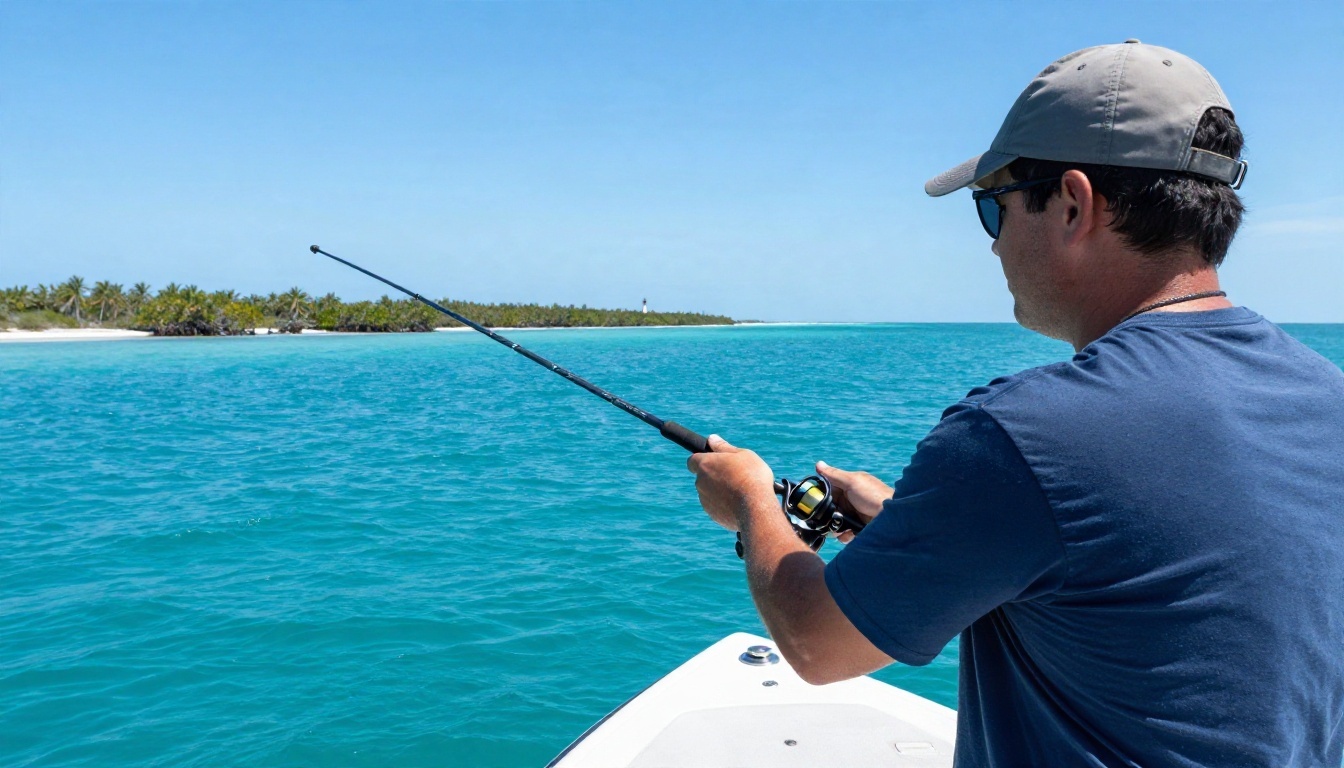
Wind can change the comfort, route, and fishing options on a Southwest Florida fishing trip. Its speed and direction influence how much chop develops, especially when you leave sheltered water for the open Gulf.
A calm-looking canal does not always reflect conditions beyond the islands. If you are planning a private charter, understanding the difference can help you choose an outing that fits your group.
How Wind Changes Gulf Chop
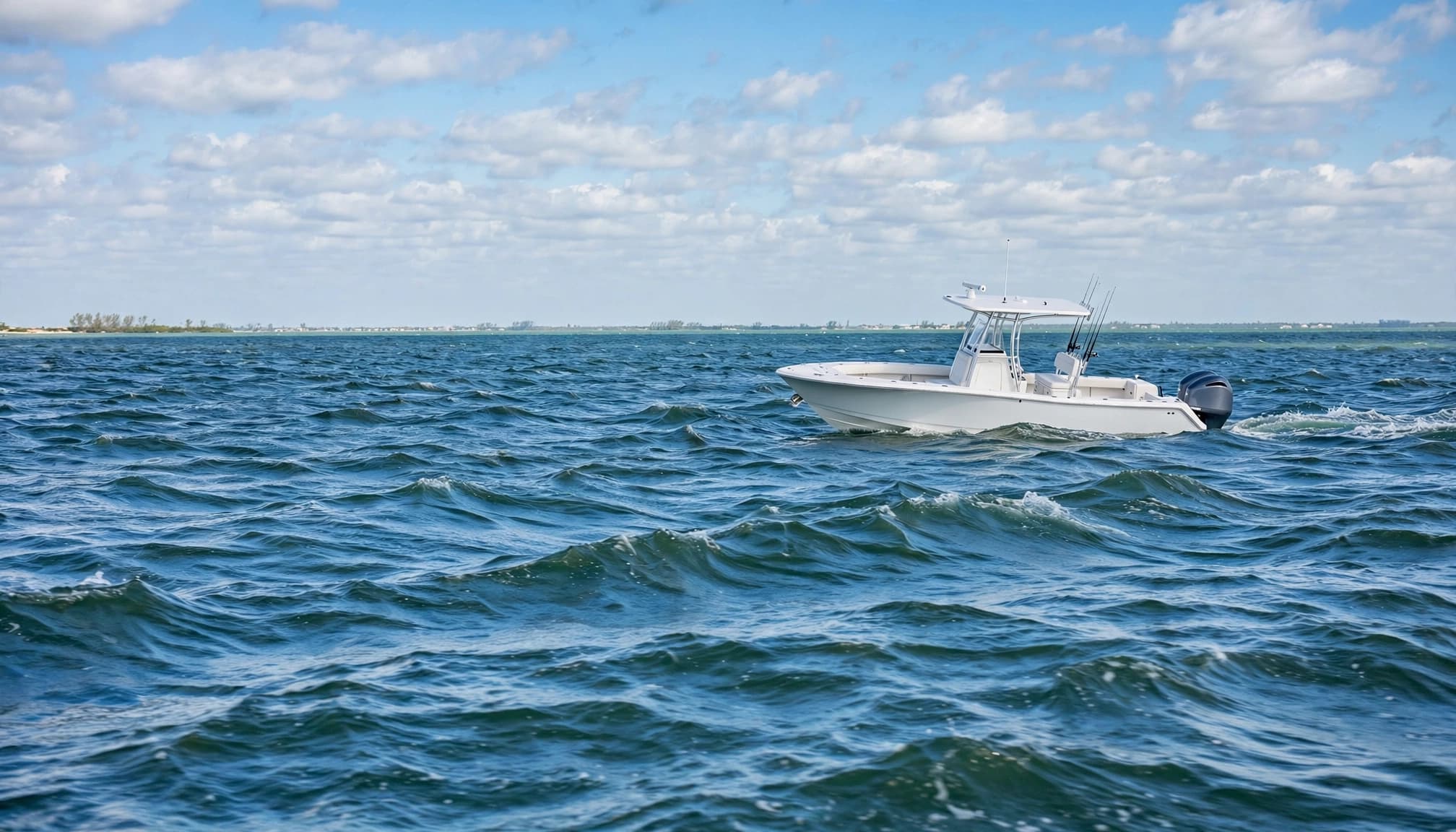
Wind pushes across the water's surface and helps form waves. As it blows harder or for longer, the water can become choppier, although the size and shape of the waves depend on several conditions.
Wind Speed and Exposure
A stronger wind generally has more influence on exposed water than a light breeze. The distance wind travels over water, known as fetch , matters too: a longer stretch gives waves more room to build.
A shoreline or island can reduce that exposure on its sheltered side. Farther from that protection, the same wind may produce a rougher surface and a different ride.
What Chop Feels Like Aboard
Chop often means closely spaced waves that cause a boat to move more frequently. Your group may notice more bouncing while underway and more movement when stopped to fish.
Those motions can make casting, standing, and keeping your balance more demanding. A slower ride may be more comfortable in some conditions, but it also affects how long it takes to reach a fishing area.
Read Wind Direction Along With Speed
Wind direction describes where the wind is coming from. Its effect depends on the shoreline, the direction the boat travels, and how much open water lies upwind of the fishing area.
Onshore and Offshore Winds
An onshore wind blows toward land across the water. Depending on its strength and the coastline's shape, it can push waves toward Gulf beaches and make the nearshore water less comfortable.
An offshore wind blows away from land. Water close to the shoreline may have some protection, while conditions farther out can differ as the wind travels across a longer stretch of water.
Neither description guarantees a smooth ride. Existing swell, gusts, and the shape of the coast also matter.
Wind Against Moving Water
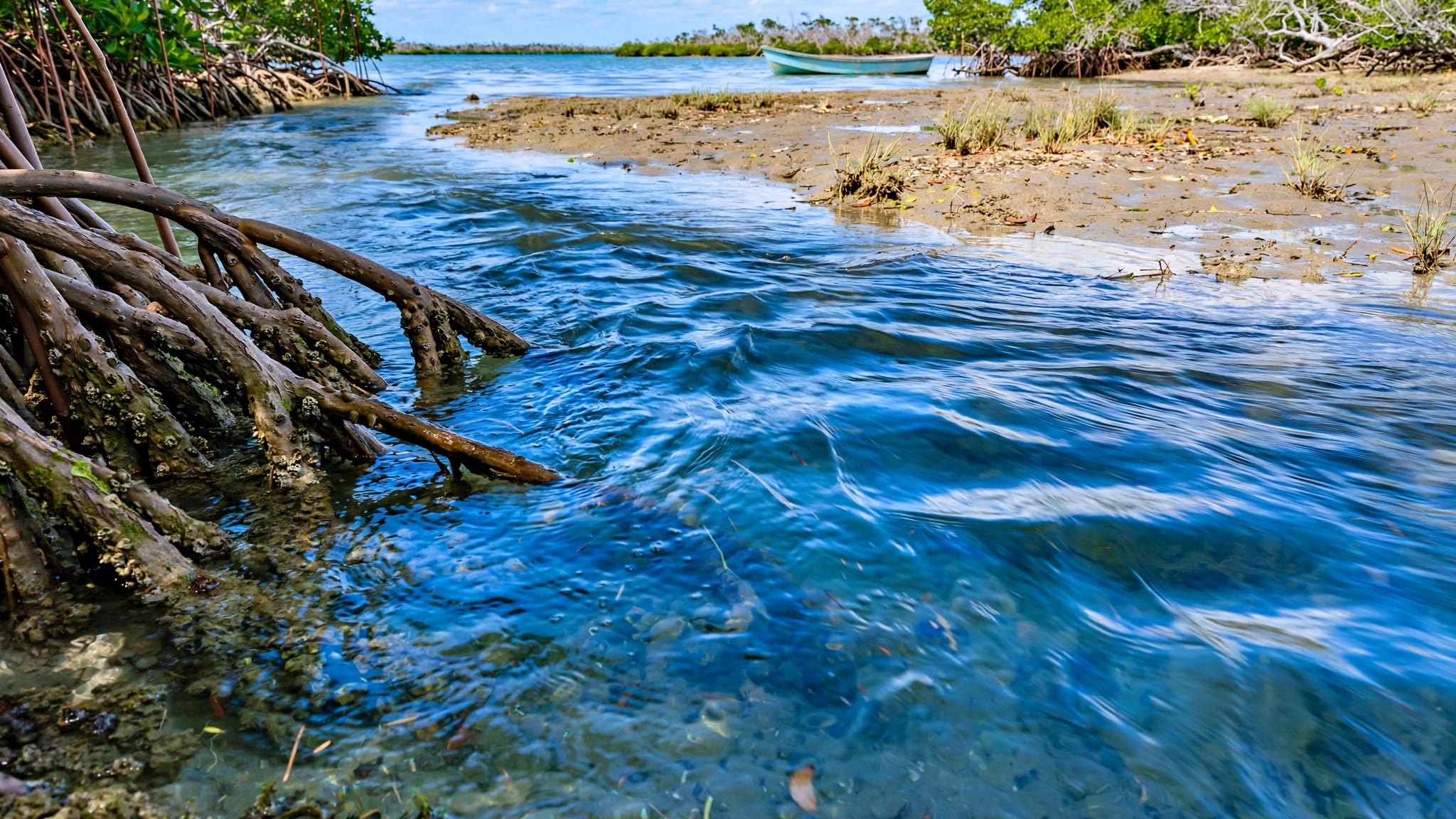
At island passes and other narrow connections, wind can meet a moving tide. When wind and current oppose each other, waves may become steeper and closer together.
That change can make a short crossing feel different from the waters on either side. The route to a fishing spot matters as much as the conditions at the spot itself.
Compare Sheltered Water With the Open Gulf
Cape Coral, Sanibel, and Captiva offer access to several kinds of water. A bay, a mangrove shoreline, and the Gulf side of an island can each offer a different experience on the same day.
Bays and Island Shorelines
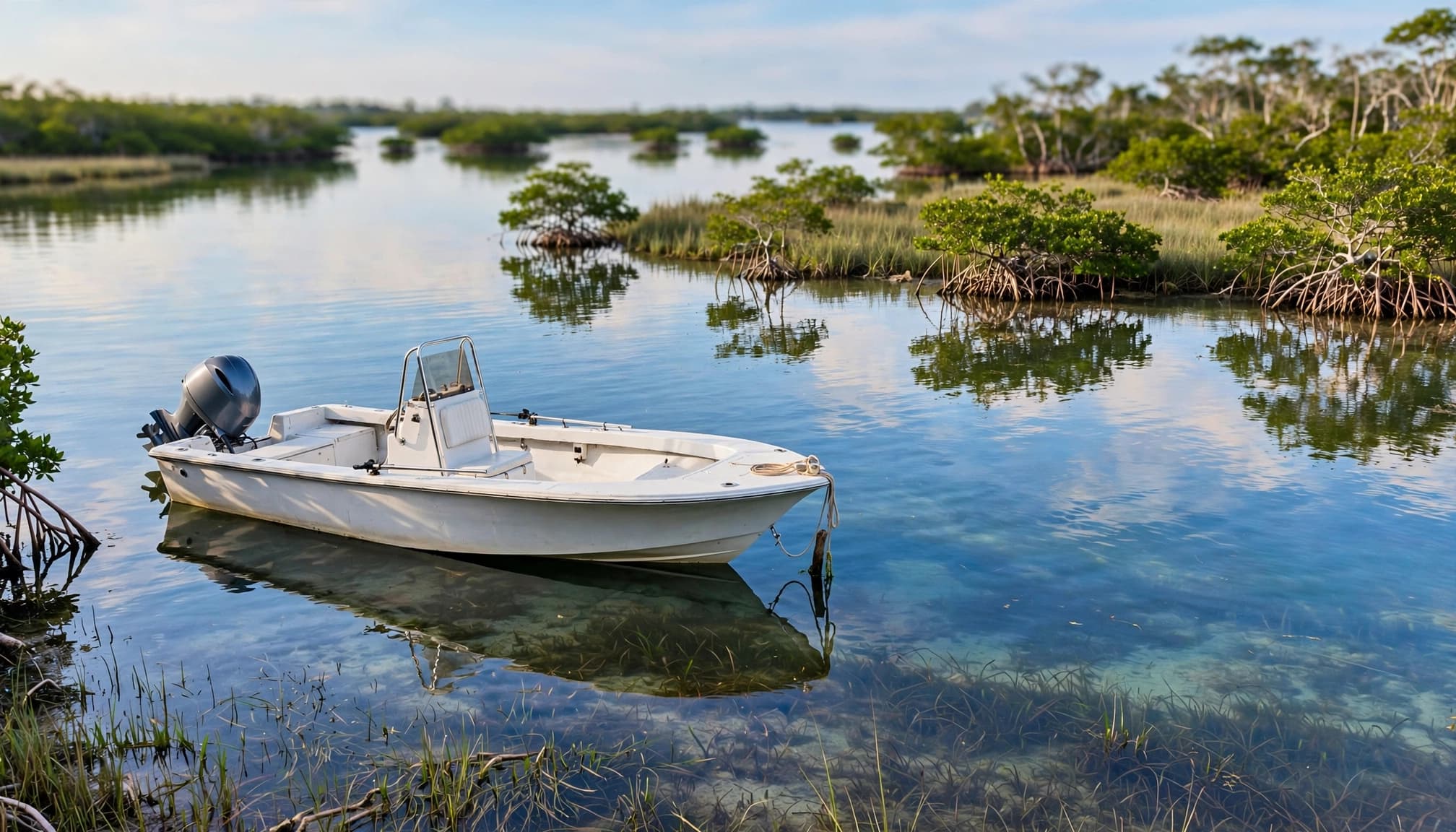
Pine Island Sound lies between Pine Island and the barrier islands. Its waters include mangrove edges, seagrass habitat, and areas where an island or shoreline may provide some protection.
Our bay fishing charters explore this broader inshore setting. Shelter depends on wind direction and the location, so one shoreline may be more comfortable than another.
Open stretches of a bay can still develop chop. A protected bank also cannot remove the effects of thunderstorms or severe weather.
Gulf Waters Outside the Islands
Nearshore fishing takes place outside the barrier islands, where the boat has more exposure to Gulf conditions. The distance may be modest compared with a far-offshore trip, but there is less land to interrupt wind and waves.
Our guide to fishing Gulf waters offers more context for this setting. If open-water fishing is your goal, leave room for conditions to determine where the trip can go.
Understand Wave Height and Spacing
Wave height is only part of what you feel on a boat. Wave period, the time between wave crests, also influences how the water moves beneath you.
Waves that arrive close together can make for a more frequent, unsettled motion. Waves with more time between them may feel different, even when their reported height is similar.
The boat's direction matters too. Riding into waves can feel different from traveling with them or taking them along the side, and the trip back may not feel like the trip out.
Forecast wave heights describe expected conditions over an area, not every individual wave. Local currents, shallow water, and passing boat wakes can add to what you experience at a particular location.
If anyone in your group is concerned about motion sickness or standing on a moving deck, mention it before the trip. That gives Captain Andre a clearer picture of the kind of ride your group may enjoy.
Check the Marine Forecast Before Your Trip
A general weather forecast can tell you about rain and temperature, but a marine forecast adds details that matter on the water. Look at the forecast for the waters near your departure and intended fishing area, as well as the hours you expect to be aboard.
Look Beyond the Daily Wind Number
Marine forecasts commonly describe wind direction, wind speed, gusts, and expected seas. The National Weather Service's northern Gulf marine forecast shows how wind and wave information can be presented.
That forecast covers a different part of the Gulf, so use the forecast for Southwest Florida when planning your outing. Pay attention to changes across the day rather than relying on one number.
A lighter morning wind may give way to a stronger afternoon breeze. Gusts can also feel different from the sustained wind shown in a forecast.
Include Storms and Marine Advisories
Thunderstorms, lightning, and marine advisories deserve attention alongside wind and waves. Conditions can change during a trip, and a comfortable fishing spot does not make a nearby storm less serious.
A forecast is a planning tool rather than a promise. We consider the outlook and conditions on the water when deciding whether to adjust the route, change the plan, or postpone an outing.
See How Conditions Shape the Fishing
Wind affects more than the ride. It can change how easily you cast, control a line, and keep bait where you want it.
A wind blowing across the boat may carry a cast away from a mangrove edge or push the boat across a flat more quickly. Changing the boat's position or choosing another shoreline can make the fishing easier to manage.
Tides also influence the plan. Moving water can carry bait through an area, while the water level affects access to some shallow spots.
Our inshore fishing trips include habitats such as shorelines, flats, and tidal waterways. Which areas make sense on a given day depends on the combination of water level, wind, and other conditions.
Snook use mangrove edges, beaches, and coastal structure, so a trip centered on them may take different forms. Our snook fishing charters offer a way to pursue that fish while allowing the day's conditions to shape the approach.
Plan for Comfort and Flexibility
Before choosing a fishing charter, think about the experience your group wants. A family with young children, a first-time boater, and an angler hoping to fish the Gulf may have different preferences for time aboard and exposure to waves.
Tell us about those preferences when you discuss your trip. It also helps to share your target species, any concerns about boat motion, and whether a sheltered setting appeals to you.
Our listed fishing trips include a four-hour half day for $600, a six-hour trip for $750, and an eight-hour full day for $900. A shorter outing leaves more time for other plans, while a longer one gives your group more time on the water.
The listed fishing trips include a fishing license, gear, bait, and a cooler. Bring sun protection, clothing suited to the forecast, water, snacks, and any medication you need.
If motion sickness is a concern, discuss suitable precautions with a healthcare professional before departure. A flexible outlook also helps: the fishing area or target may change, and a catch is never guaranteed.
Fishing Trip Questions
Can we fish if the Gulf is choppy?
A choppy Gulf does not automatically rule out fishing. A more sheltered area may be an option, depending on the weather, water conditions, and your group's plans.
Does a calm morning mean the whole trip will be calm?
Conditions can change during the day. Wind may increase, shift, or arrive with storms, so the planned route and return ride both matter.
Plan Your Day on the Water
Wind and waves can shape where you fish and how comfortable the ride feels. The most useful plan leaves room for those conditions and for the people sharing the boat.
Contact Go & Get It Charters to discuss your dates, fishing goals, and the kind of experience you would enjoy near Cape Coral, Sanibel, or Captiva.
Recent Posts
We got it.
Thank you for contacting us.
We’ll get back to you as soon as possible.