
Inshore or Nearshore Fishing Charter: Choose Your Trip
An inshore fishing charter generally suits groups who prefer bays, shorelines, and more sheltered water, while nearshore fishing takes you into the coastal Gulf. Both offer an engaging day around Southwest Florida, but the water setting changes the ride and the fishing experience.
If you are planning a private trip near Cape Coral, Sanibel, or Captiva, begin with your group's comfort and interests. Understanding where each trip takes place makes it easier to choose an outing everyone can enjoy.
Understand Where Inshore and Nearshore Fishing Happen
Inshore and nearshore describe different coastal settings, rather than a fixed distance measured from the dock. Around Southwest Florida, the barrier islands provide a useful way to understand that difference.
Explore Bays, Sounds, and Estuaries Inshore
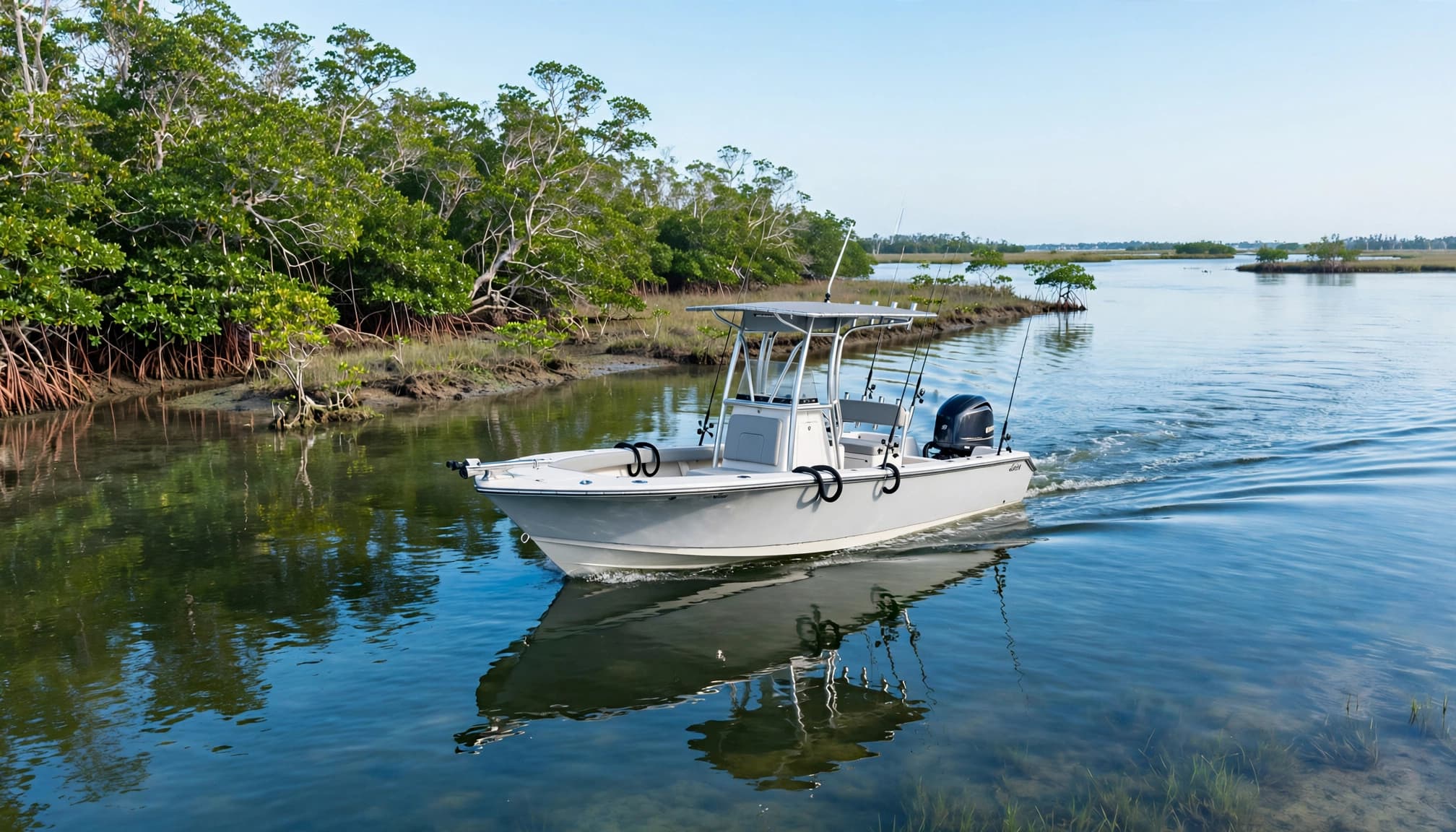
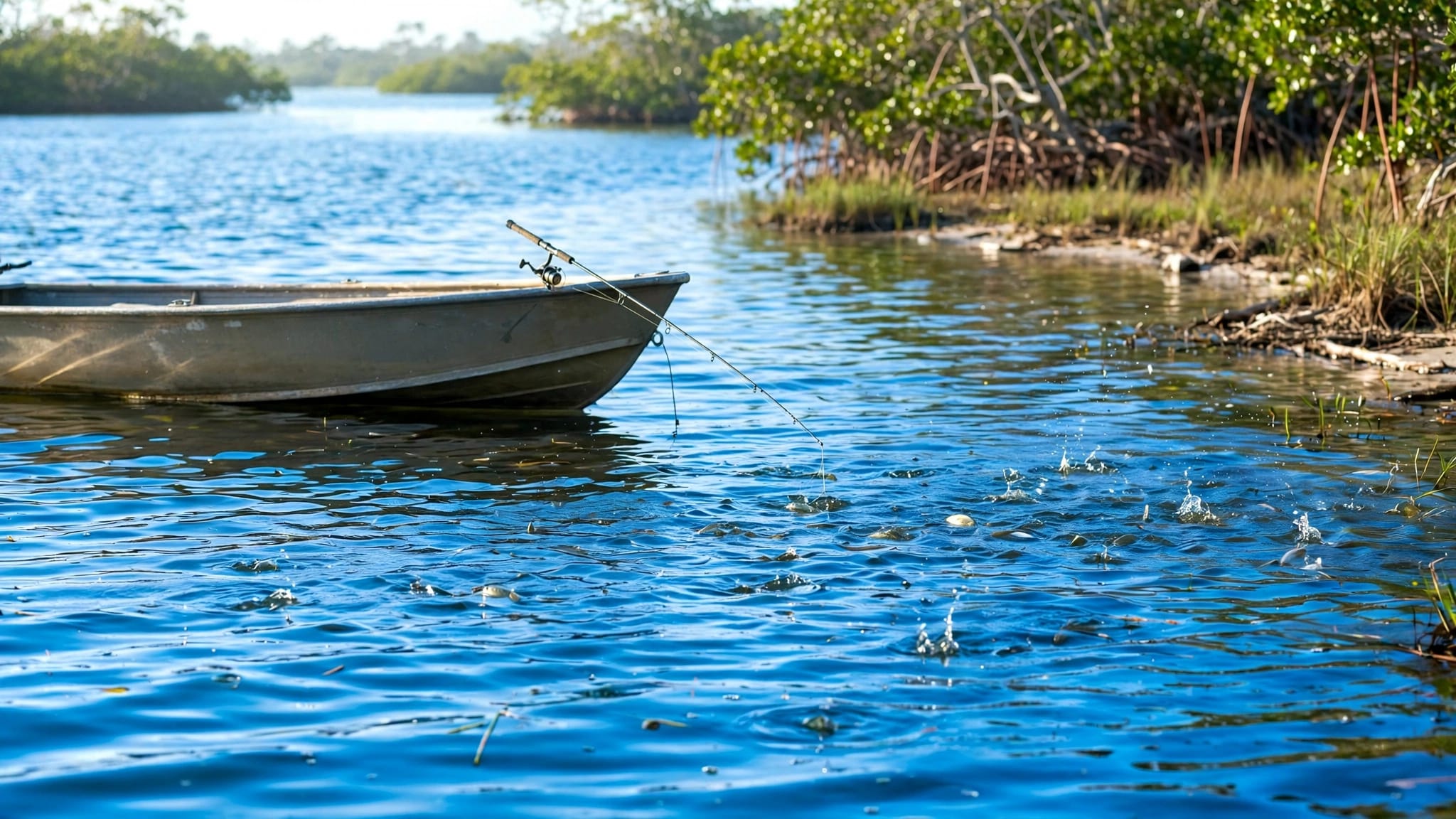
Inshore fishing includes the bays, sounds, estuaries, and shoreline waters connected to the Gulf. Pine Island Sound, between Pine Island and the barrier islands, is an important part of this local fishery.
Mangrove edges, seagrass beds, and oyster habitat give these waters variety. The approach may involve fishing along a shoreline, drifting across an open area, or working near structure as conditions allow.
Our Cape Coral inshore fishing charters focus on this coastal setting. The appeal includes watching the shoreline, paying attention to moving water, and learning how fish use nearby habitat.
Head Outside the Islands for Nearshore Fishing
Nearshore fishing takes place in Gulf waters relatively close to the coast, outside the protection of the barrier islands. You gain a more open-water setting without making a far-offshore destination the purpose of the trip.
Distance alone does not explain the difference. A location close to the beach can still be exposed to wind and waves, while an inshore route may cover considerable water behind the islands.
For your group, the distinction is exposure. Consider how comfortable everyone feels on open water before choosing a trip based on how close the shoreline appears.
Picture What a Nearshore Trip Feels Like
A nearshore outing offers open Gulf views and fishing opportunities beyond the bays. Wind, waves, and moving bait help shape where the fishing takes place and how the boat approaches an area.
The ride can involve more noticeable movement than a sheltered shoreline route. Even when the coastline remains visible, the experience can feel different once the boat leaves the protection of the islands.
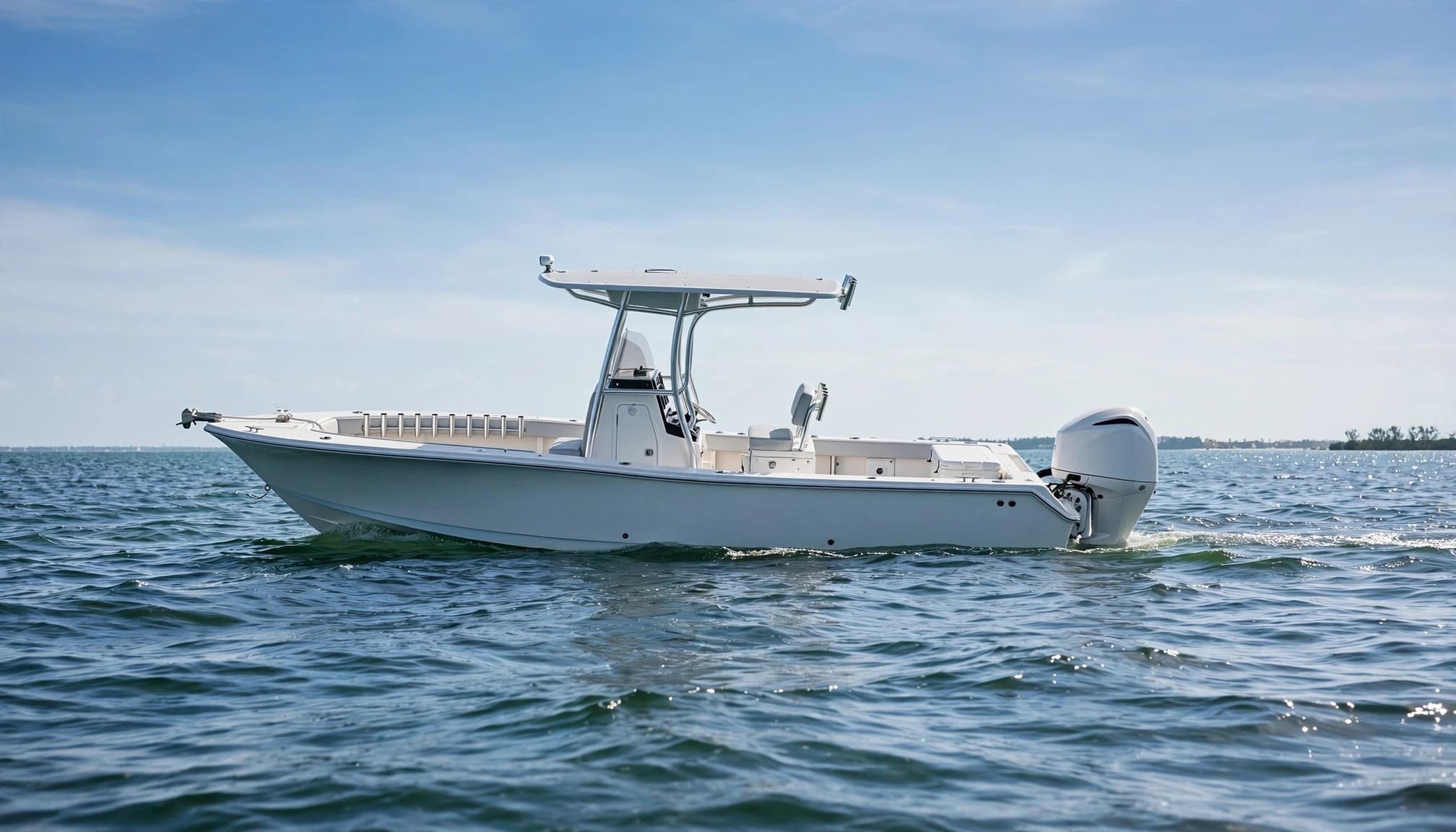
If your group enjoys being on a boat and wants to explore coastal Gulf water, that change of setting may be part of the appeal. Our nearshore fishing trips follow the opportunities that conditions make available outside Sanibel and Captiva.
Fishing may involve waiting over a productive area, adjusting bait presentation, or moving when an area does not produce. Open water does not guarantee larger fish or more bites, so choose nearshore for the kind of day you want to experience.
Match the Trip to the People Coming Along
The right choice depends on the whole group, including anyone who is less interested in fishing or less comfortable aboard a moving boat.
Consider Beginners, Children, and Comfort
An inshore trip can be a comfortable introduction to saltwater fishing when sheltered areas provide suitable conditions. Nearby shorelines and varied surroundings also offer something to watch between bites.
If children are coming along, attention span, sun exposure, and time aboard deserve as much consideration as fishing enthusiasm. A manageable outing gives everyone room to learn without turning the day into an endurance test.
More sheltered does not mean motion-free. Open stretches of a sound can become choppy, and anyone prone to seasickness should have that concern included in the planning conversation.
Choose Around Shared Fishing Interests
Experienced anglers may enjoy the detail of inshore fishing, including accurate casts, changing current, and the relationship between fish and structure. Staying inside the islands does not make the fishing less demanding or less rewarding.
Nearshore may suit a group that wants open-water surroundings and is comfortable with a more exposed ride. Previous fishing experience can help with handling tackle, but it does not tell you how someone will feel in a swell.
For a mixed group, choose around the experience people want to share. A shoreline-focused day and an outing into the Gulf can both work when the setting matches everyone's expectations.
Allow Time for Travel and Fishing
Trip length affects how the day unfolds, but the inshore or nearshore label does not tell you how much time you will spend fishing. Departure location, travel between areas, and conditions all matter.
Keep a Shorter Outing Focused
If fishing is one part of a busy vacation day, a focused plan can help keep the experience manageable. An inshore setting may allow a trip centered on suitable nearby waters rather than a more exposed route.
However, inshore does not always mean a brief boat ride. Cape Coral, Sanibel, and Captiva provide different starting points, and the fishing area may require travel through channels or across a sound.
Think about the time your group wants aboard, including the ride. That is more useful than assuming every moment away from the dock will involve a bait in the water.
Give a Longer Day a Clear Purpose
More time can provide room to explore additional areas, wait through a slower period, or adjust the approach as the tide changes. It can also mean more sun, heat, and physical effort.
If nearshore fishing is your preference, include the journey into the Gulf in your expectations. The ride is part of the outing, rather than time separate from it.
Choose a longer day because your group wants more time on the water. Extra hours create flexibility, but they cannot promise a particular catch.
Let Wind, Water, and Tides Shape the Plan
A pleasant forecast on land does not describe every part of the boating experience. Wind direction, wave conditions, thunderstorms, and tidal current can affect a fishing trip in different ways.
NOAA's guidance on marine weather warnings explains that the National Weather Service issues watches, advisories, and warnings for hazardous winds and sea conditions. These hazards matter whether the plan involves sheltered waters or the coastal Gulf.
Inshore areas can offer protection, although the amount depends on the route and wind direction. Nearshore fishing leaves fewer land features between the boat and open-water conditions.
Tides influence the fishing as well as the ride. Moving water carries bait through channels and around shorelines, changing which areas offer a useful opportunity during the day.
If your main goal is a comfortable outing with family or friends, flexibility can help keep that goal at the center of the plan. Holding to one location makes less sense when conditions favor another approach.
Neither trip type guarantees fish, and neither is suitable in every kind of weather. Conditions determine what is reasonable, even when a preferred fishing area is close by.
Separate Fishing Trip Names From Fishing Rules
Inshore and nearshore are useful descriptions for planning an experience, but they are not substitutes for legal water boundaries. Being close to land does not tell you every rule that applies.
The Florida Fish and Wildlife Conservation Commission's saltwater recreational fishing regulations describe Florida state waters as extending nine miles into the Gulf. That boundary is different from the everyday distinction between fishing inside the islands and fishing outside them.
Licensing and keeping fish are also separate considerations. Florida's saltwater license and permit rules address recreational fishing requirements, while harvest rules address matters such as species, size, season, and possession limits.
For your trip, catching a fish and being able to keep it are different outcomes. A successful day can include fish that are released, and choosing nearshore does not automatically mean bringing home a catch.
If keeping fish is part of your goal, include that preference when discussing the outing. It can help shape the plan without becoming a promise about what the day will produce.
Keep These Differences in Mind
Choose inshore when your group prefers shoreline surroundings, varied coastal habitat, and the possibility of more sheltered fishing areas. Choose nearshore when open Gulf water is part of the experience you want and everyone is comfortable with greater exposure.
Let travel time and group stamina guide the length of the outing. Neither a longer trip nor a greater distance from shore guarantees better fishing.
The useful comparison is between the days each option offers. Comfort, setting, and shared interests give you a stronger starting point than expectations about fish size.
Common Questions About Choosing Your Trip
Is inshore fishing always calmer than nearshore fishing?
Inshore waters often offer more shelter, but they are not always calm. Wind can create chop across bays and sounds, while current can make passes unsettled. The route and conditions matter more than the trip name.
Can beginners enjoy a nearshore fishing charter?
Beginners can enjoy nearshore fishing when the conditions and planned approach suit the group. Comfort on open water is a separate consideration from fishing skill. If someone is uncertain about boat motion, that concern deserves attention before the trip takes shape.
For either option, explain what your group hopes to enjoy and what might limit their comfort. That conversation gives the planning a practical starting point without requiring everyone to have previous fishing experience.
Plan Around the Experience Your Group Wants
An enjoyable fishing trip begins with a comfortable fit between your group, the water setting, and the day's conditions. Inshore offers bays and shoreline habitat, while nearshore brings the open coastal Gulf into the experience.
Share your travel dates, preferred time on the water, and group interests with us at Go & Get It Charters. Include any concerns about children, boat motion, or a first saltwater outing so those needs are part of the plan.
Recent Posts
We got it.
Thank you for contacting us.
We’ll get back to you as soon as possible.