How to Fish the Passes Between Sanibel and Captiva
Fishing the Sanibel passes means watching the current, finding where bait moves, and adjusting your approach as conditions change. Blind Pass and Redfish Pass offer different water and structure, so a good plan starts with knowing which area suits your group and target species.
You may see snook, redfish, trout, snapper, or sheepshead, though no pass guarantees a bite. Here's how to read the water, choose a place to fish, and make a private fishing charter fit the day.
Choose Between Blind Pass and Redfish Pass
The passes around Sanibel and Captiva connect sheltered estuary water with the Gulf. Their channels, edges, and current can make them productive places to fish, but the best approach depends on the pass and the day.
Blind Pass connects the Gulf and Pine Island Sound
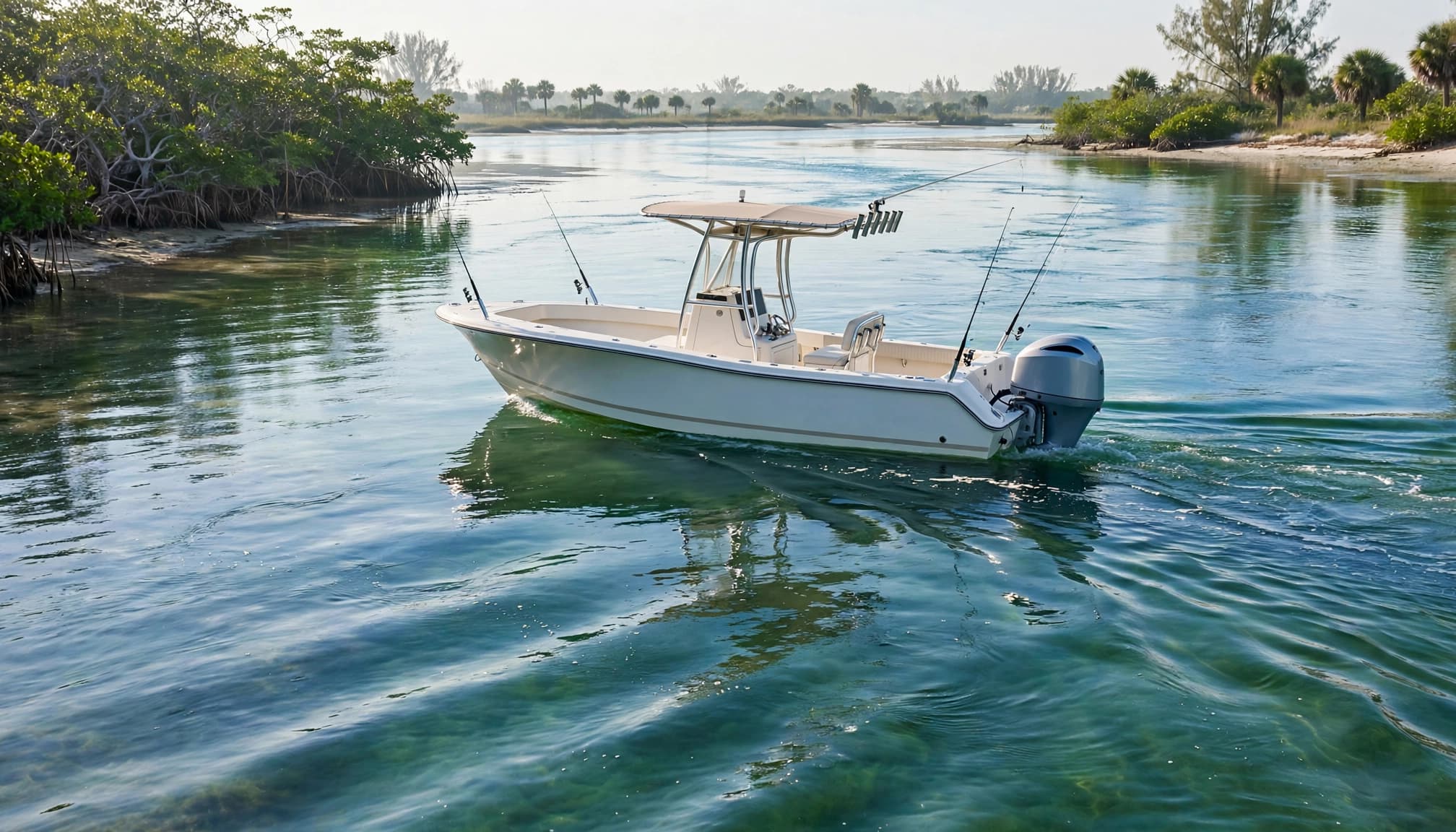
Blind Pass runs beneath the Sanibel-Captiva Road bridge between Sanibel and Captiva. It links the Gulf of Mexico with Wulfert Channel and Pine Island Sound, and its depth and navigability can vary. The channel, bridge pilings, and nearby edges give anglers several kinds of structure to consider.
Local fishing advice often focuses on moving water here, especially along the deeper channel and pilings. Blind Pass Beach is on the Sanibel side, while Turner Beach is on the Captiva side. From a boat, use care around current and changing depths rather than assuming a familiar route is unchanged.
Redfish Pass lies between Captiva and North Captiva
Redfish Pass is farther north, between Captiva and North Captiva. Pass edges and current seams are worth attention when bait is moving through, and a strong outgoing tide may concentrate activity in parts of the channel.
These are useful starting points, not a promise of fish. Wind, water level, bait movement, and the strength of the flow all influence where it makes sense to fish.
Read the Tide and Current Before You Cast
Tide predictions help you plan around expected water levels and timing. They do not tell the whole story of what the current will look like in a narrow pass, where wind, channel shape, and depth can affect the flow.
Look for moving water, not only a tide number
An incoming tide pushes water toward the estuary, while an outgoing tide carries it toward the Gulf. Both can bring bait through a pass. Slack water around a tide change may slow the flow, and that can change how fish feed or where they hold.
Check the forecast for a nearby station, then compare it with what you see on the water. NOAA lists Tarpon Bay, Sanibel Island, as a tide prediction station. Its predictions are a useful reference, but conditions at a pass may differ.
Watch the surface and adjust your timing
Look for current seams where faster water meets a slower pocket, and note foam or drifting bait that shows the direction of flow. If the current is too strong for your bait to stay near the bottom, change your weight or position rather than forcing the same presentation.
Fishing around a tide change can be worthwhile, but there is no fixed bite window that works every day. A local recommendation for Blind Pass is to focus on outgoing water, while other advice favors the hours around a peak tide. Treat these as options to weigh against the actual current.
For planning, use NOAA tide predictions for Tarpon Bay as a nearby reference point.
Choose a Spot Along the Pass
The middle of a pass is not the only place worth fishing. Fish may hold near structure or use edges where current carries food past them, so make a few careful observations before settling into one spot.
Check pilings, channel edges, and deeper water
At Blind Pass, bridge pilings and deeper channel water are common places to consider, especially when the tide is moving. Fish can use structure as cover, while the current carries shrimp and small fish past it. A cast that reaches the edge of the flow may be more useful than one dropped into the fastest water.
Depth and current can change across a short distance. Keep track of where the boat is in relation to the channel, and avoid assuming the same position will work for every tide stage.
Work current seams and pass edges
A seam can give baitfish a route through moving water and give larger fish a place to wait. At Redfish Pass, try edges where the current slows or turns, then watch for bait activity before choosing where to cast.
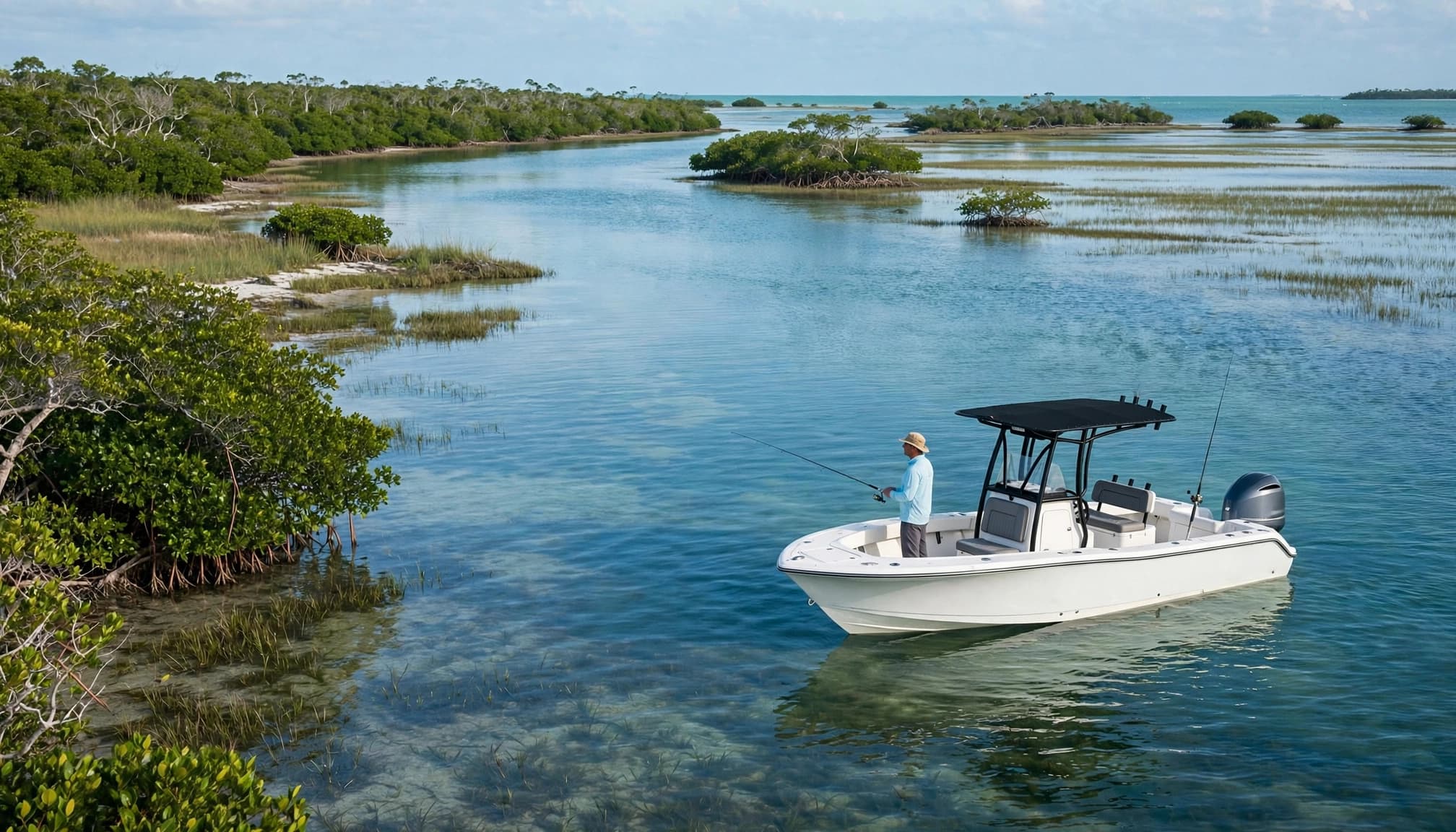
If the water is rough or moving too quickly to fish comfortably, a more sheltered shoreline or bay may suit the day better. The connected waters around Pine Island Sound offer another inshore setting, with seagrass, mangrove edges, and open water. You can also explore bay fishing near Sanibel and Captiva when a pass is not the right fit.
Match Tackle and Bait to the Flow
Current affects how your bait moves and how much weight you need. Start with tackle that lets you feel the bottom and control your presentation, then adjust as conditions change.
Choose a rig that holds the right depth
For snook around structure, a local tackle recommendation is a 2/0 circle hook with 30 to 40-pound fluorocarbon leader. Live whitebait, pinfish, and shrimp are options. The strength of the current and the structure you're fishing should guide how you present the bait.
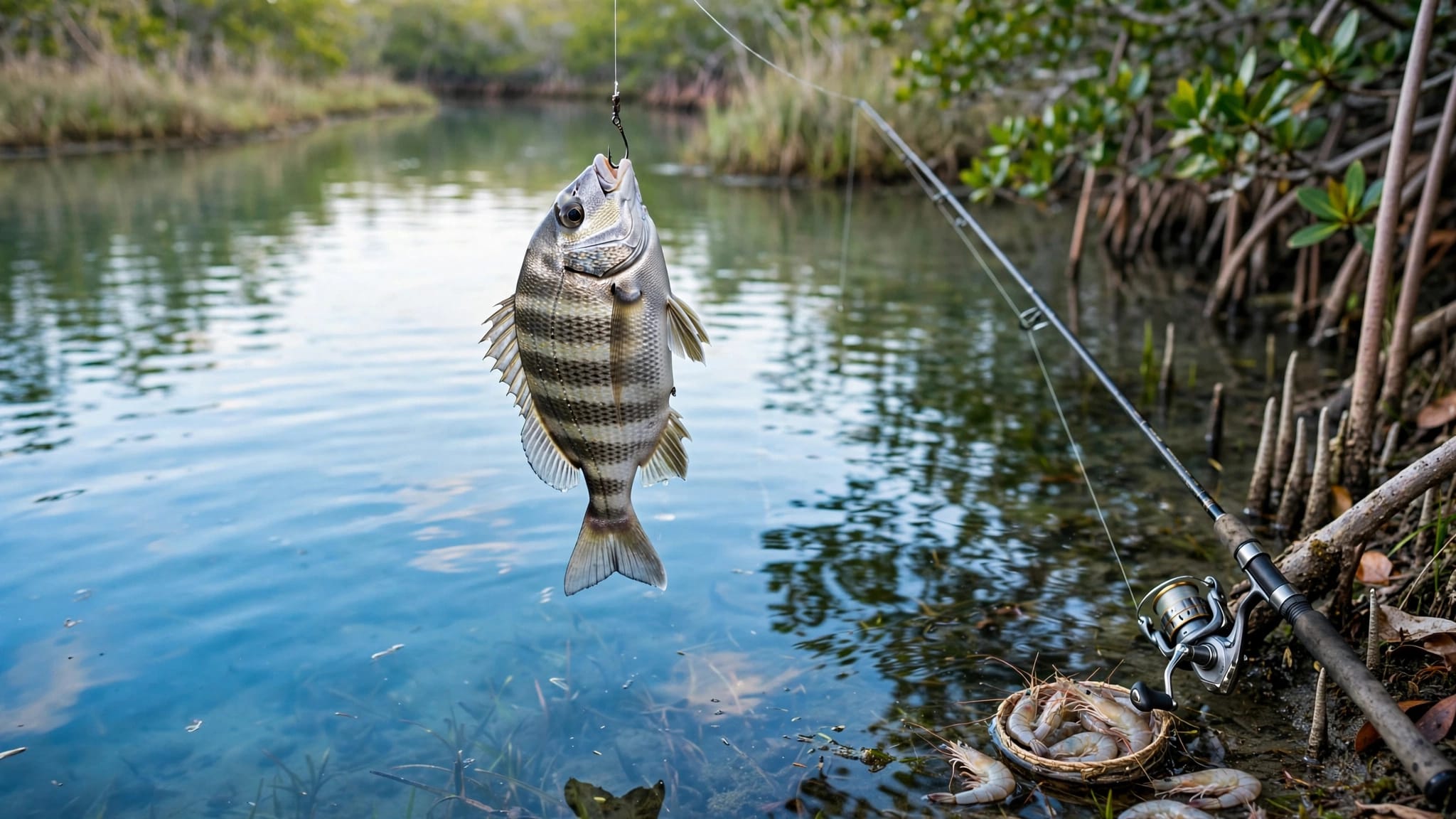
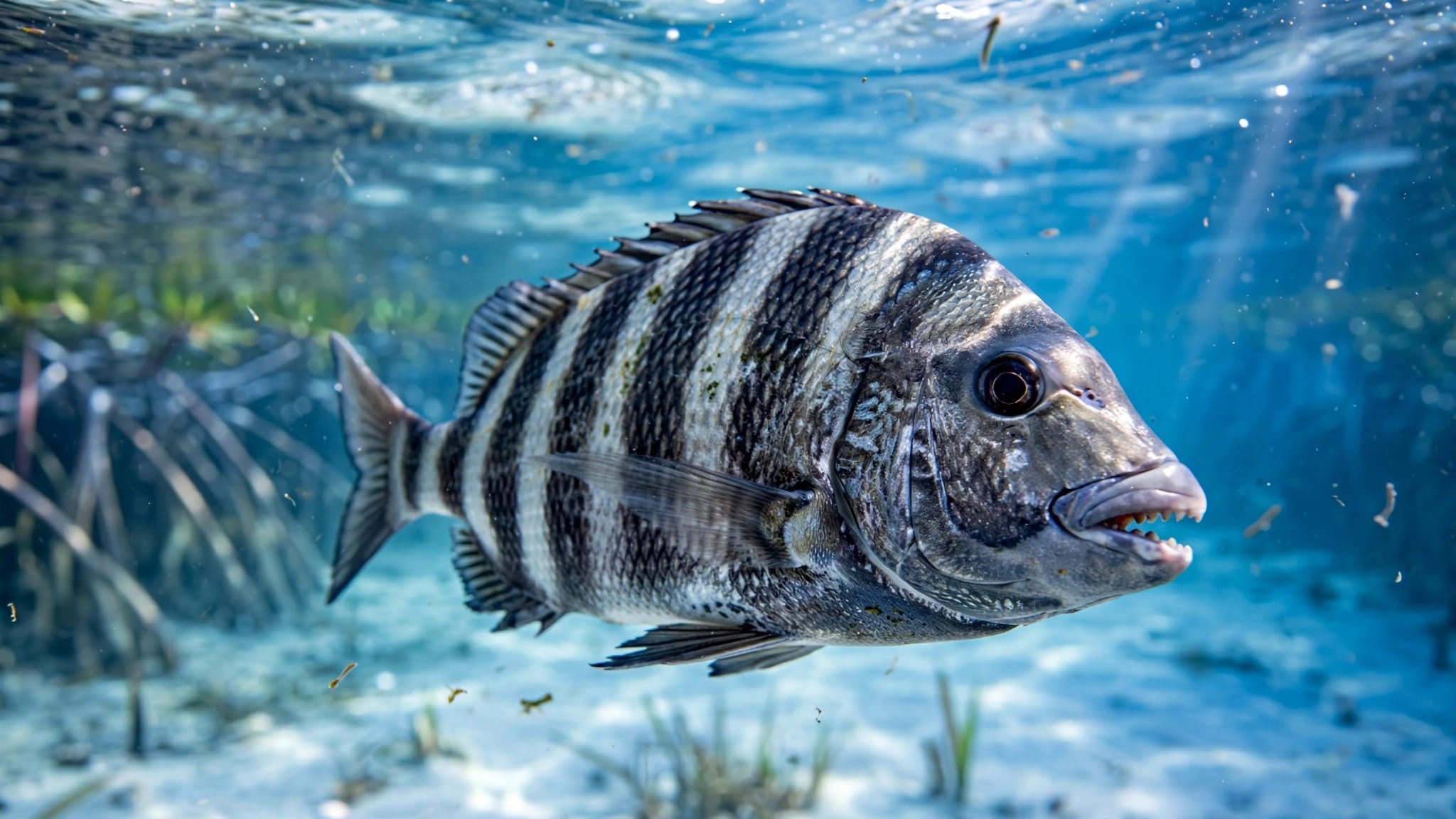
For mangrove snapper and sheepshead, shrimp or fiddler crabs on a knocker rig are common choices. A knocker rig lets the weight sit close to the hook, helping bait reach the bottom where these fish may feed.
Select bait that suits the current
Live shrimp, pilchards, pinfish, and threadfin are useful options around the passes. Cut threadfin, ladyfish, or mullet may also be used. If current is strong, add enough weight to keep bait near the area you're fishing without letting it drag uncontrollably.
When the flow allows, drifting live pinfish or threadfin along a current seam can present bait naturally. If you're fishing with artificial lures, choose one you can cast accurately and keep in the strike zone. A lure that races past fish in fast current may need a slower retrieve or a heavier jighead.
Target Species That Use Pass Habitat
Passes connect different kinds of coastal habitat, so the fish you encounter can vary with season, tide, bait, and location. A flexible plan gives you room to change targets if conditions point elsewhere.
Look for snook, redfish, and trout
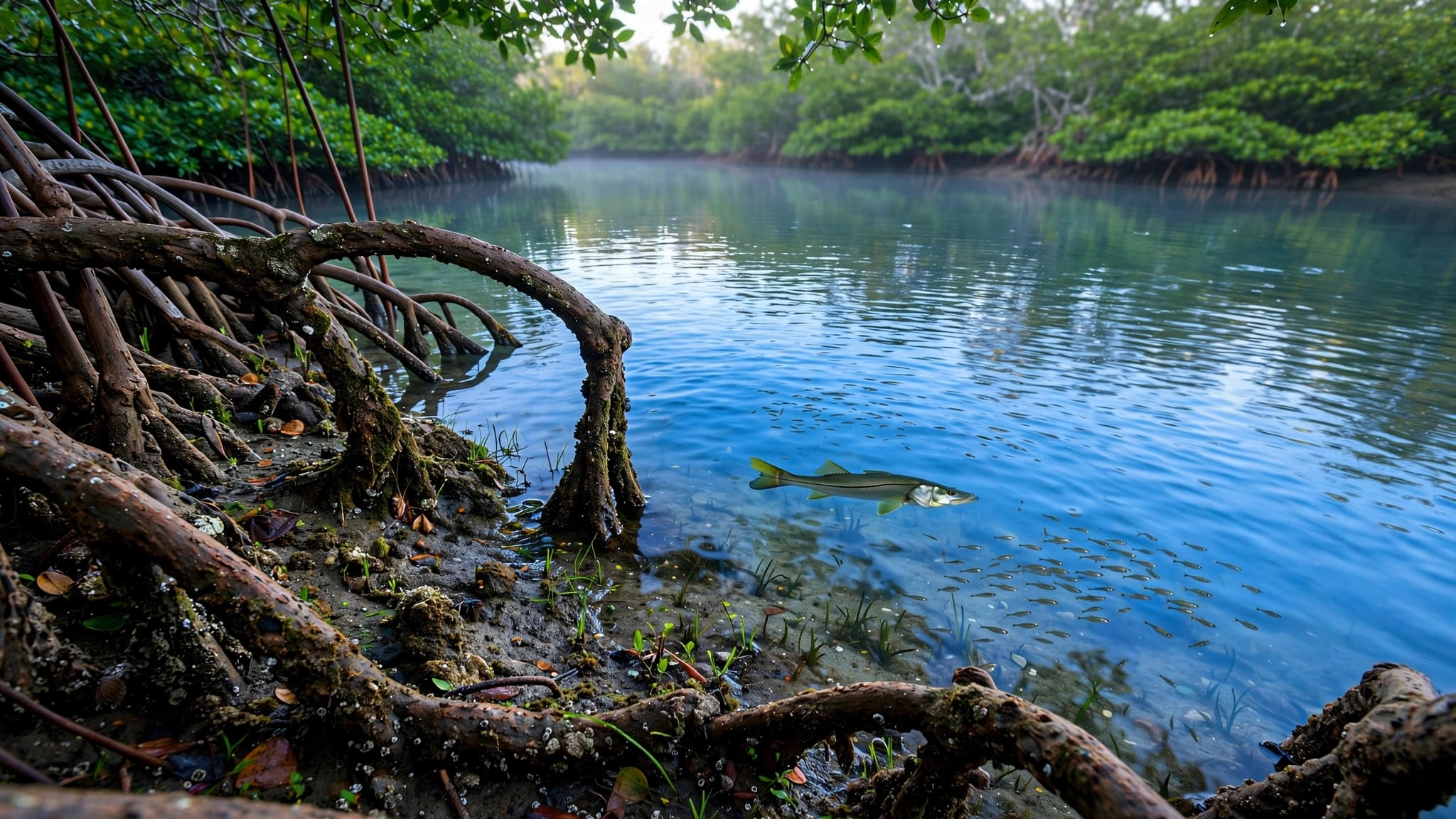
Snook use coastal structure and feed around moving water, which makes pass edges and pilings natural places to try. Redfish may use nearby seagrass, oyster areas, and shallow bottoms, while spotted seatrout are often associated with grass flats and sandy areas.
These species do not stay in one habitat, and the pass is only one part of the local fishery. If one is at the top of your list, tell your captain before the trip. We offer guided snook fishing near Sanibel and redfish trips near Sanibel shaped around conditions.
Consider snapper, sheepshead, and tarpon
Mangrove snapper and sheepshead may be found around structure and pass edges. FWC lists sheepshead as a year-round inshore and coastal target, while its general species guidance places red drum in summer and fall. Those broad patterns help with planning, but they do not predict what will be feeding in a particular pass.
Tarpon are a seasonal pursuit around Sanibel and Captiva, with spring and early summer important to the regional migration. Their timing varies, and a pass-focused outing may not be the right trip for every tarpon goal. For a seasonally focused trip, see our tarpon fishing charters near Sanibel.
Follow Regulations and Handle Fish Carefully
Fish you can keep depend on species, size, season, and the regulations in effect. Before deciding to harvest a fish, know which rules apply to your target and the waters you're fishing.
Know the rules for your target species
FWC's snook regulations include closed seasons, a slot limit, and a daily bag limit. The listed closed periods are December 15 through January 31 and June 1 through August 31. The slot limit is 28 to 32 inches in total length, with a one-fish daily bag limit. Check the FWC snook regulations for the rule details.
Limits and seasons differ among fish. The FWC saltwater fishing regulations provide a starting point for understanding the rules that apply to Florida saltwater fishing.
Release tarpon with their condition in mind
Tarpon are catch-and-release only. FWC also requires tarpon over 40 inches to remain in the water, except under the record-fish exception. Keep the fish in the water during the release and limit handling, especially after a long fight.
Catch-and-release care matters for other species, too. Use tackle that helps you bring a fish in without an unnecessarily long fight, handle it with wet hands, and return it promptly when you're not keeping it.
Plan a Fishing Charter Around the Day
A pass can be one part of an inshore trip, but it does not have to define the entire outing. The day's plan may include nearby mangroves, flats, or bay waters if the current, wind, or fishing goals point in another direction.
Tell us what your group hopes to catch, how much fishing experience you have, and how comfortable everyone is on a boat. Go & Get It Charters welcomes beginners and experienced anglers, and our trips depart from Cape Coral, Sanibel, and Captiva. We can shape the plan around your interests and the conditions.
If you want to focus on the passes, share that when you discuss your trip. A pass may fish differently as the tide changes, so a flexible approach leaves room to work another nearby area when it makes sense. Our inshore fishing charters near Sanibel and Captiva focus on the connected coastal waters around the islands.
Key Takeaways
- Blind Pass and Redfish Pass have different locations and structure, so plan around the water you want to fish.
- Tide predictions are a starting point. Watch the actual current, bait, and surface seams before choosing your approach.
- Match bait and weight to the flow, and keep species regulations and careful release practices in mind.
Frequently Asked Questions
When should I fish a pass?
Moving water is a useful starting point, but the best timing varies. Compare a tide prediction with the current you see at the pass.
Which pass should I choose?
Blind Pass and Redfish Pass offer different locations and structure. Your target species, the weather, and the day's conditions help determine which one makes sense.
Make the Passes Part of Your Fishing Day
Fishing the passes can bring you close to moving water, bait, and the coastal scenery between Sanibel and Captiva. Pay attention to current and stay flexible if conditions shift.
If a private trip fits your plans, tell us what you'd like to fish for and where you'll be staying. We'll talk through the options for your day on the water.
Recent Posts
We got it.
Thank you for contacting us.
We’ll get back to you as soon as possible.