Is Saltwater Fishing Good Year-Round in Southwest Florida?
Yes, saltwater fishing in Southwest Florida can be good year-round. The fish you pursue, the water you explore, and the conditions you encounter will change with the seasons.
Around Cape Coral, Sanibel, and Captiva, bays, mangrove shorelines, island passes, and nearshore Gulf waters give anglers several ways to spend a day fishing. The most useful starting point is understanding how seasonal conditions shape your options.
What Year-Round Fishing Means in Southwest Florida
A year-round fishery gives you opportunities in every season, but it does not mean every species is equally available throughout the year. A summer trip focused on tarpon may look quite different from a winter outing along a protected shoreline.
Redfish, snook, and spotted seatrout are among the fish anglers pursue in local inshore waters. Nearshore trips can offer opportunities for species such as Spanish mackerel and snapper when conditions and fish activity bring them within reach.
The Florida Fish and Wildlife Conservation Commission's saltwater fishing guidance by county offers a broader look at where different species may be found. For your trip, the season is a starting point, while water temperature, weather, and tides help shape the day's plan.
Fishing Through Winter and Spring
Cooler months bring a different pace to the water, while spring's warming conditions gradually open up other possibilities. The transition rarely happens on a fixed date.
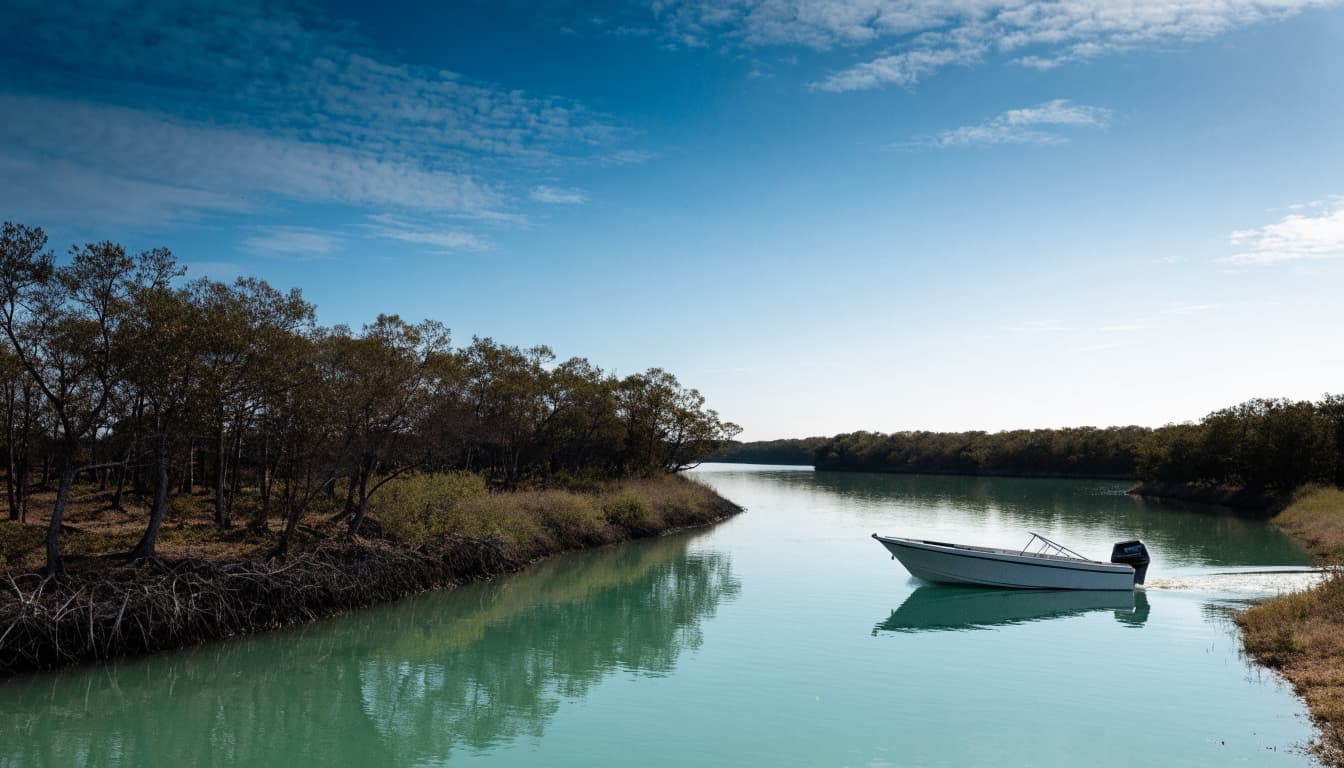
Winter: Explore Sheltered Inshore Waters
Winter fishing can include redfish, spotted seatrout, and sheepshead in bays, channels, and other coastal habitat. A cool morning may call for a different approach than a warm afternoon, especially after a cold front.
As water cools, snook may move away from beaches toward more sheltered inland areas. Their activity can change with temperature, so a winter trip with several possible targets gives your group room to adjust.
Wind also matters during this season. A shoreline or bay with some protection may offer a more comfortable ride than the Gulf side of the islands, although inshore water is not always calm.
Spring: Watch for Warming Water
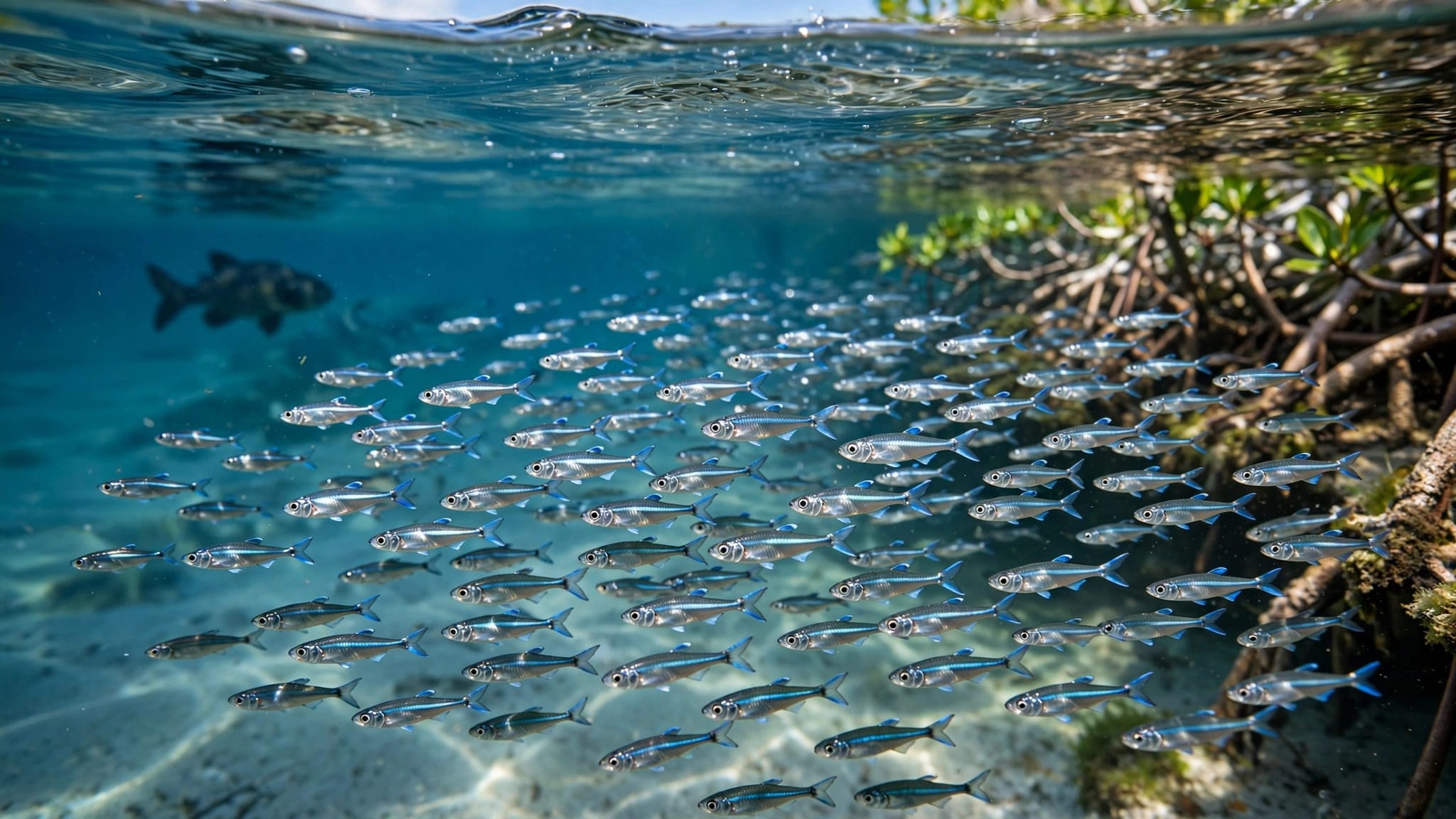
As spring progresses, warmer water can encourage fish and bait to move through flats, shorelines, and passes. Snook fishing may become part of the plan around mangroves, beaches, and other structure, depending on conditions.
Spring and early summer are also important times for the regional tarpon migration. If tarpon are your main goal, your travel dates and the seasonal outlook matter more than any single date on a calendar.
A spring outing can suit anglers who enjoy watching the water for signs of activity. Moving bait, a change in current, or fish along a shoreline may influence where the next casts take place.
Fishing Through Summer and Fall
Warm water creates opportunities along beaches and nearshore Gulf waters, while summer weather deserves attention when choosing a departure time. Fall brings another period of change as temperatures begin to ease.
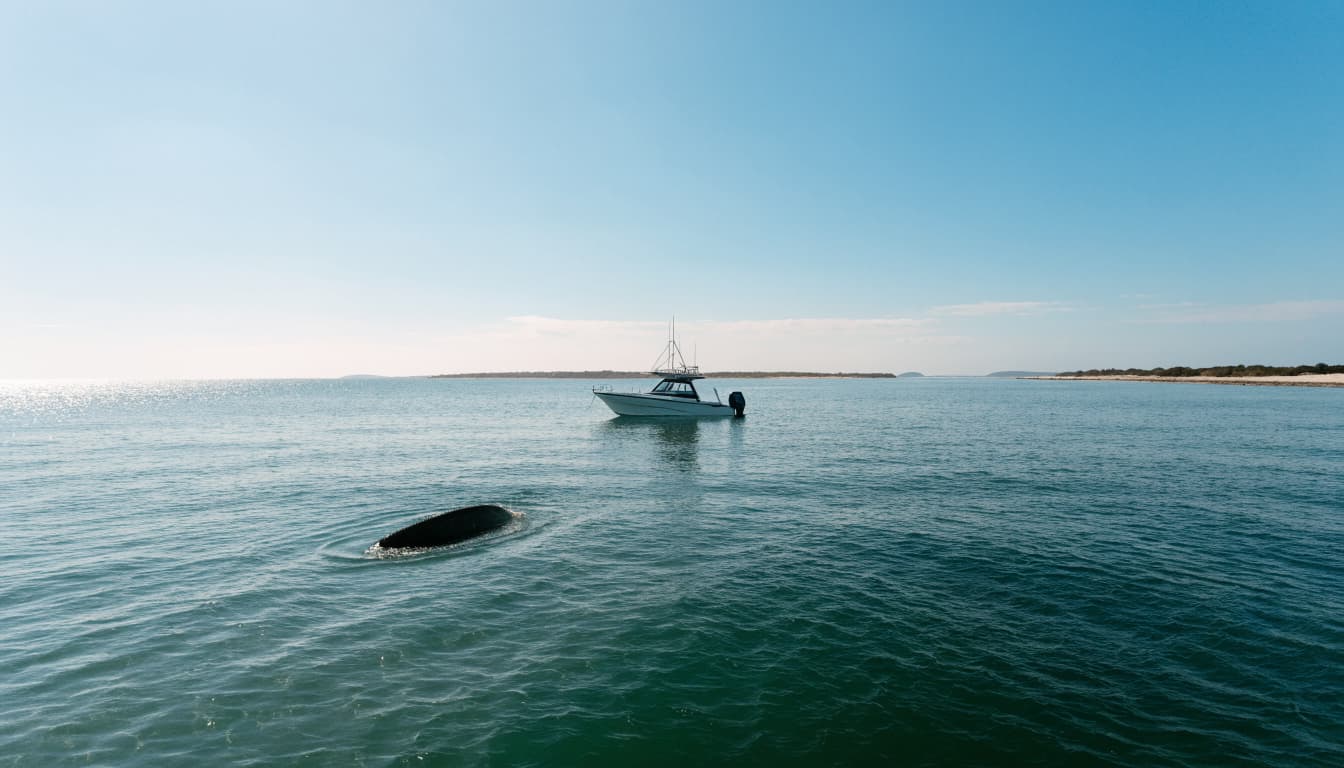
Summer: Consider Tarpon and Coastal Fishing
Early summer can be an appealing time to pursue tarpon around Sanibel and Captiva. These large fish may be found along beaches, near passes, and in other coastal waters, although their movements and the day's conditions vary.
Tarpon fishing asks for patience as well as preparation. Our tarpon trips are catch-and-release, with the fish's welfare taking priority over photographs.
Summer can also offer chances to pursue snook along beaches and inshore areas. If that species interests you, our snook fishing trips focus on the shorelines and other coastal habitat where anglers pursue them.
Fall: Follow the Shift Toward Cooler Water
Fall may bring opportunities for redfish and spotted seatrout around grass flats, mangrove edges, and other inshore habitat. Snook can also be part of the picture as conditions begin to change.
As water cools later in the season, some fish may move away from the beaches and toward inland areas. The timing depends on the weather, so a trip in early fall may feel different from one later in the season.
Fall can be a good choice if you want to explore several habitats rather than spend the day pursuing one fish. The possibilities still depend on what the water and weather allow.
How Water Temperature and Tides Affect a Trip
Seasonal descriptions help set expectations, but the conditions on your fishing day may matter more than the month printed on your reservation.
Pay Attention to Water Temperature
Water temperature affects fish activity and where fish may be comfortable. A sudden cold front can change the approach for inshore species, while a stretch of warmer weather may bring different areas into consideration.
Shallow water can change temperature more quickly than deeper water. On a cool day, the time of day and the location may influence where it makes sense to begin fishing.
Warm water also changes the experience for anglers. During summer, an earlier outing may be more comfortable for your group than spending the hottest part of the day in direct sun.
Plan Around Moving Water
Tides change the depth and movement of water around flats, shorelines, and passes. Moving water can carry bait past fish waiting near structure, while a falling tide may change access to a shallow area.
A high tide is not automatically better than a low tide. The useful tide depends on the location, the fish being pursued, and how water is moving through that particular area.
You may notice a shoreline look different as the day goes on. Paying attention to those changes is part of the experience, whether you are making your first casts or have fished saltwater before.
Let Weather Shape the Day
Wind, waves, rain, and thunderstorms can affect both the fishing and your comfort aboard. They also influence whether a nearshore trip remains a suitable choice for the day.
Summer afternoons can bring thunderstorms, so an earlier departure may help avoid the most unsettled part of the day. Lightning is a reason to leave the water and seek appropriate shelter, even when fish are active.
During cooler months, a passing front can bring stronger wind and a drop in temperature. That may make an exposed Gulf shoreline less comfortable than a route through more protected inshore waters.
A bay offers more shelter in some conditions, but it can still become choppy. If the weather makes a planned trip unsuitable, the fishing area or timing may need to change.
Choose Between Inshore and Nearshore Fishing
The right fishing charter depends on the setting your group wants to enjoy, along with the conditions expected for your trip.
Inshore: Bays, Flats, and Mangrove Shorelines
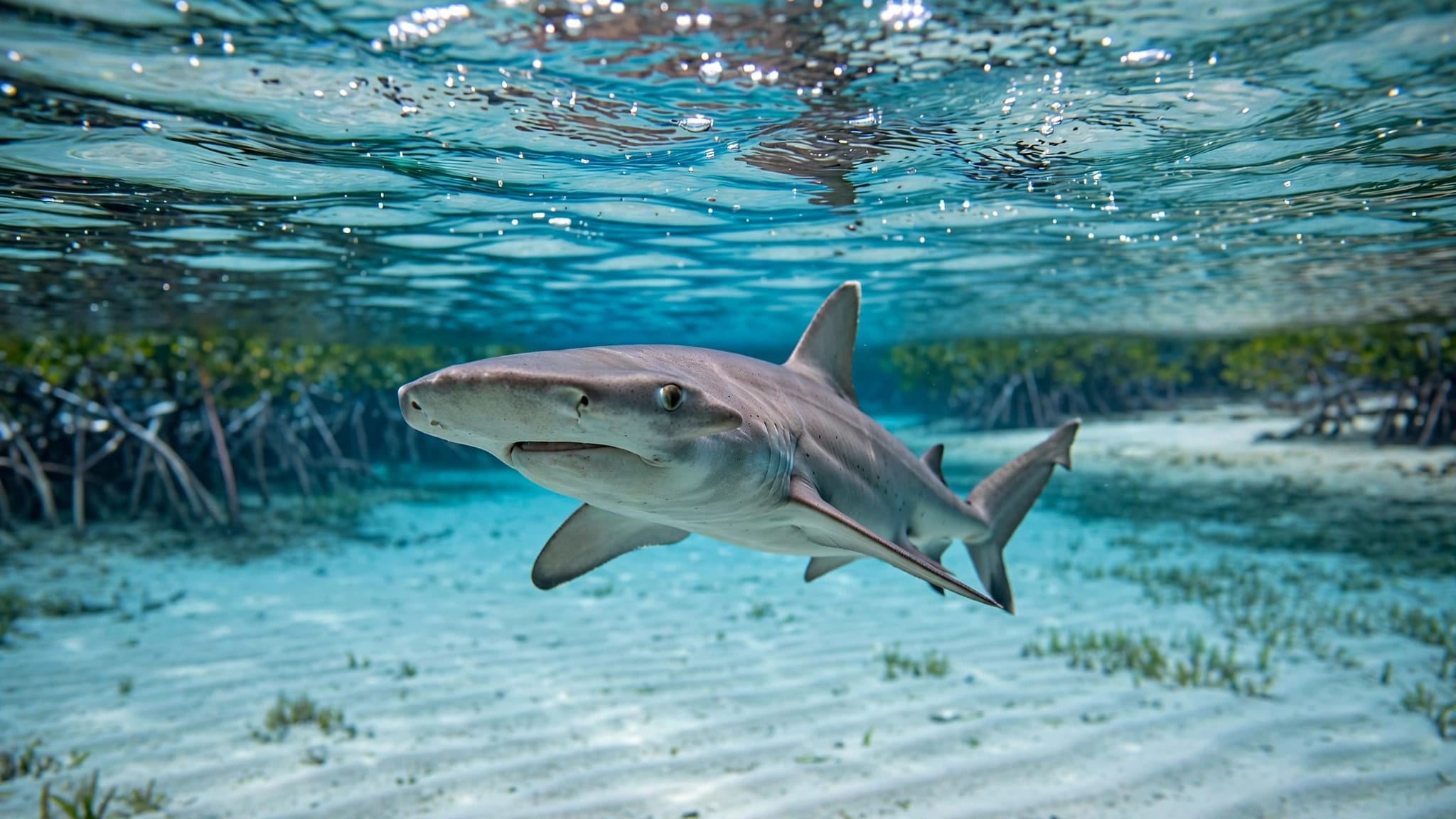
Inshore fishing takes place among coastal waterways, shorelines, and shallow flats. Around Cape Coral and the islands, these waters offer opportunities to pursue fish such as redfish, snook, and spotted seatrout.
Pine Island Sound, between Pine Island and the barrier islands, includes seagrass, mangrove edges, and oyster habitat. Our bay fishing trips explore this broader type of inshore setting.
If your group prefers scenery close to shore or wants an introduction to saltwater fishing, an inshore trip can be a comfortable place to start. The exact route still depends on wind, tides, and fish activity.
Nearshore: Gulf Waters Outside the Islands
Nearshore fishing takes you into Gulf waters relatively close to the coast. It offers open-water views and the possibility of pursuing fish associated with beaches, bait schools, or coastal structure.
Conditions outside the barrier islands may feel different from those inside a bay. Wind and waves can make the ride more exposed, even when the fishing area is not far offshore.
Nearshore fishing is also different from a longer offshore trip. If you have a particular species in mind, tell us when planning so the choice of trip matches the experience you want.
Understand Fishing Seasons and Harvest Rules
A fish being present in local waters does not necessarily mean it can be kept. Harvest rules depend on the species, the management region, the season, and the fish's size.
For snook, the Florida recreational regulations chart lists open harvest periods in the Charlotte Harbor and Southwest regions as March 1 through April 30 and October 1 through November 30. The listed limit is one fish per person per day, measuring between 28 and 33 inches in total length.
Spotted seatrout have a year-round recreational season in those regions. The FWC spotted seatrout regulations include a three-fish daily bag limit and a 15 to 19-inch slot, with an allowance for one fish over the slot per vessel.
If keeping an eligible catch matters to your group, share that preference when arranging your trip. Catch-and-release fishing can also be an enjoyable way to spend the day.
Prepare for Your Private Fishing Charter
A trip that fits your group starts with the amount of time you want to spend aboard and the kind of water you would like to see. Tell us about the ages and experience levels in your party, any fish on your wish list, and how everyone feels about a boat ride.
Our fishing trips include a license, gear, bait, and a cooler. A four-hour trip is listed at $600, a six-hour trip at $750, and an eight-hour trip at $900.
A shorter outing may leave more time for other plans, while a longer trip gives you more time to explore and fish. More time on the water does not guarantee a particular catch.
Bring sun protection and clothing suited to the forecast. Departures and pickups are available in Cape Coral, Sanibel, and Captiva, so you can choose a convenient starting point for your group.
Southwest Florida Fishing Questions
What is the best season for a first fishing trip?
Every season can offer a suitable introduction. An inshore trip with flexible fishing goals gives your group room to enjoy the conditions and pursue available opportunities.
Can you catch tarpon all year?
Tarpon may be present at different times, but spring and early summer are important parts of the regional migration season. Their timing and availability vary.
Find Your Day on the Water
Southwest Florida offers saltwater fishing opportunities throughout the year, with each season bringing its own conditions and possibilities. Choosing a trip that fits your group leaves room to enjoy the water even when the day's fishing takes an unexpected direction.
To discuss your dates and goals, call Go & Get It Charters at (239) 910-4449.
Recent Posts
We got it.
Thank you for contacting us.
We’ll get back to you as soon as possible.