Sanibel Sharks: What Anglers May Encounter Near Captiva
Sanibel sharks include bonnetheads, while blacktip, bull, and nurse sharks are among the species found in the wider Gulf of Mexico. Sharks can turn up in local bays and nearshore waters, but the species and size of a catch vary with conditions.
Whether you hope to encounter a shark or simply want to know what might take your bait, a little preparation can make the experience easier to enjoy. The islands offer several different places to fish, each with its own possibilities.
Key Takeaways for Shark Fishing Near the Islands
Sharks have been reported in the coastal waters near Sanibel and Captiva, including nearshore areas and parts of Pine Island Sound. A bonnethead has also been documented near Sanibel, although that record does not establish a recreational catch.
A shark encounter is never guaranteed, and identification matters before any decision about keeping a fish. Many species are protected from harvest, and handling rules are an important part of the trip.
Which Sharks Could You Encounter?
Local reports describe sharks of various sizes near the islands, though they do not always identify the species. The following sharks provide a useful introduction to species found in the region and the wider Gulf.
Bonnethead Sharks
A bonnethead is a small member of the hammerhead family, recognized by its rounded, shovel-shaped head. Bonnetheads use shallow coastal habitats and feed on animals such as crabs, making estuaries and seagrass areas part of their range.
One has been documented near Sanibel, though the record involved a fishing net rather than an angler's catch. Its presence is a reminder that smaller sharks use coastal waters as well as the open Gulf.
Blacktip, Bull, and Nurse Sharks
Blacktip, bull, and nurse sharks are among the species recorded in Gulf shark surveys. A NOAA Fisheries assessment of Gulf shark populations includes these species alongside bonnetheads and other coastal sharks.
Blacktips are active swimmers often associated with coastal waters and schools of fish. Bull sharks can use estuaries as well as marine waters, while nurse sharks are often associated with the bottom.
These descriptions help you picture the variety of sharks in the Gulf. They do not mean a particular species will be available near the islands on your trip.
Find Shark Habitat Around Sanibel and Captiva
A shark can move through more than one kind of water during its life. Around the islands, bays, passes, and the Gulf shoreline give anglers several settings to consider.
Bays and Pine Island Sound
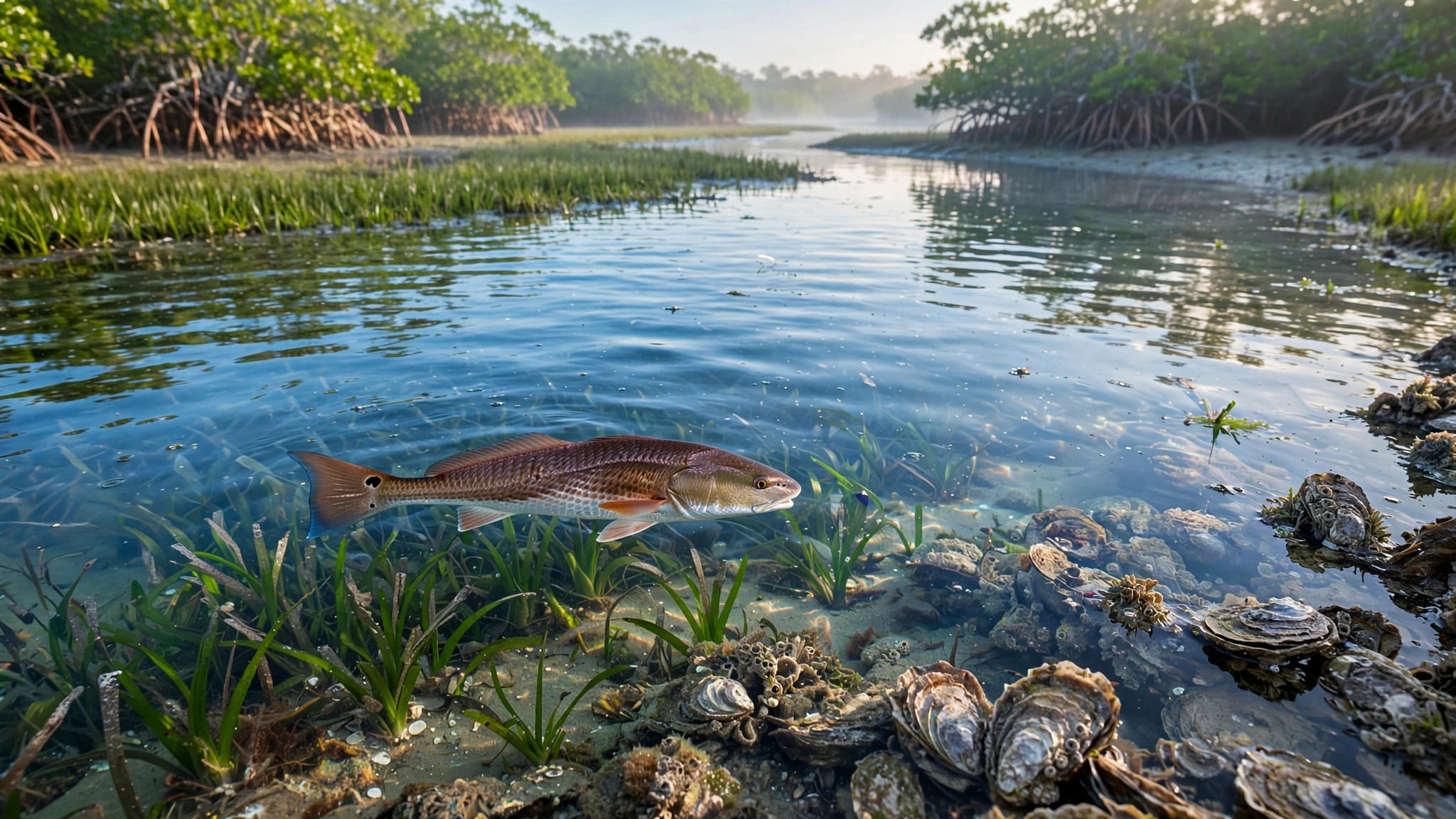
Pine Island Sound lies between Pine Island and the barrier islands, with mangrove edges, seagrass, and deeper channels throughout the area. Sharks have been reported in the sound, although local reports do not always name the species.
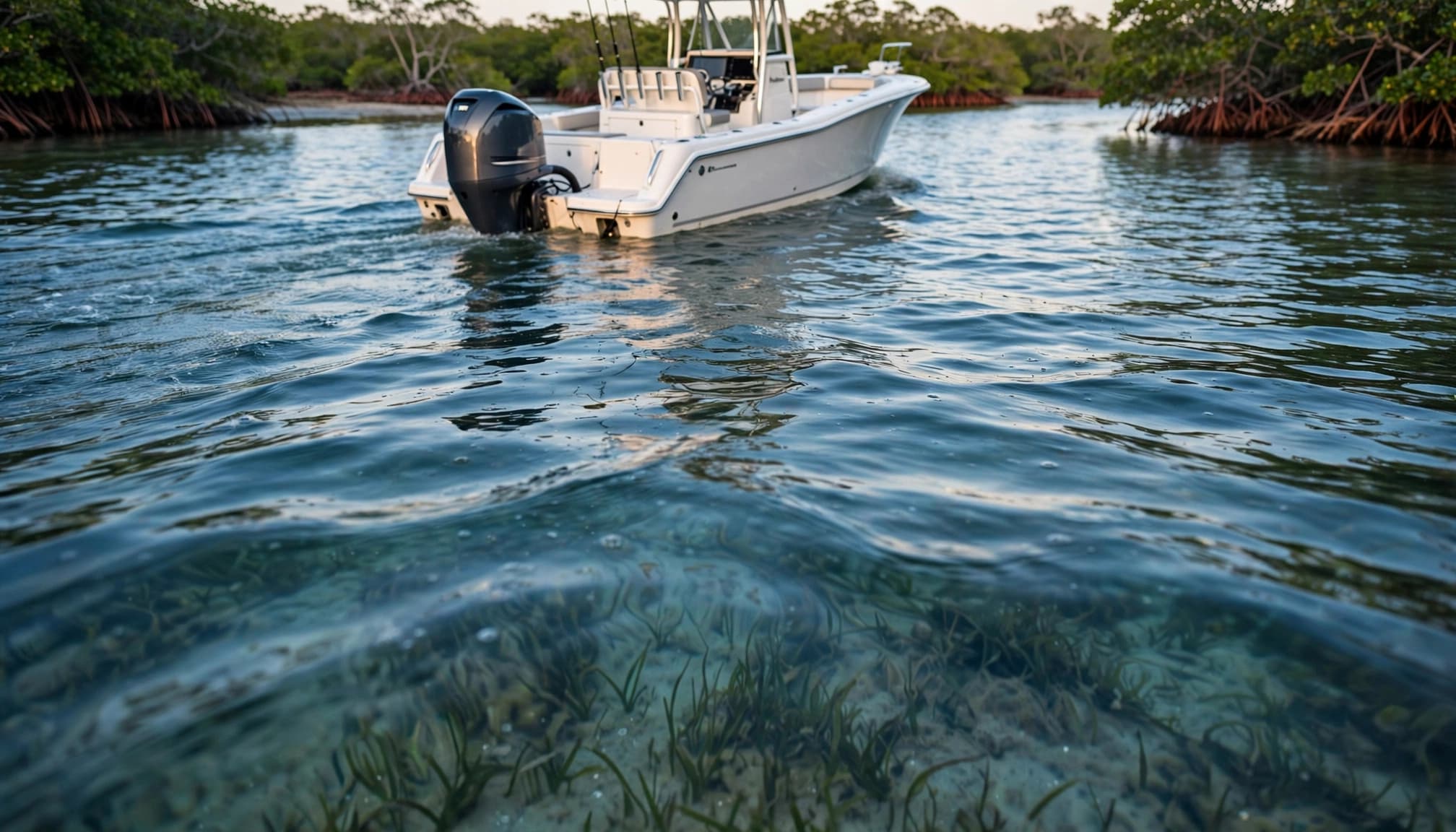
Tides move water and bait through the area's channels and around shorelines. If you prefer a setting inside the islands, our bay fishing trips around Pine Island Sound offer time in these connected estuary waters.
Beaches, Passes, and Nearshore Gulf Waters
The Gulf side of Sanibel and Captiva offers beaches, passes, and open water outside the barrier islands. Local fishing reports have described sharks nearshore between Sanibel and Captiva Pass.
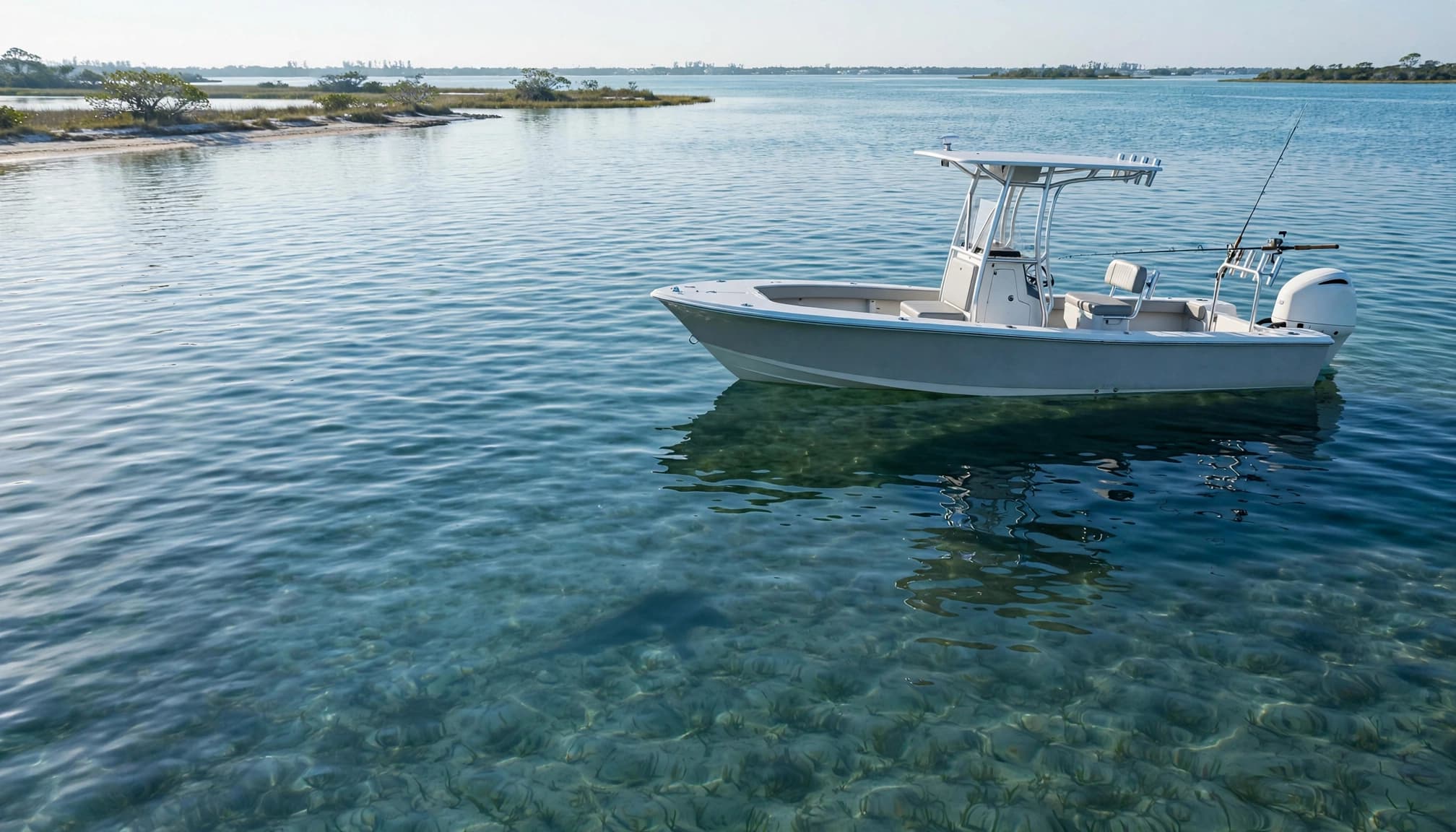
A pass connects Gulf water with the bays behind the islands, and its current can concentrate moving bait. Outside the islands, wind and waves have more room to build, so the ride may feel different even when the boat remains close to shore.
When Can You Encounter Sharks?
Sharks can be present in Southwest Florida waters throughout the year, but their movements and availability change. Water temperature, bait, weather, and other conditions all influence what an angler may encounter.
Spring and early summer bring tarpon anglers to beaches and coastal waters near the islands. Sharks may also be encountered in coastal fishing areas, but the tarpon migration is not a reliable shark calendar.
A November 2026 local fishing report described sharks nearshore and in Pine Island Sound. That report offers a snapshot of fishing at the time, rather than a promise about any particular month.
If you are planning around travel dates, allow conditions to shape the day's fishing. A comfortable bay outing and a Gulf trip can offer different experiences, even when they begin near the same island.
What Does Shark Fishing Involve?
A shark may take a bait intended for another fish, or it may be part of the day's fishing plan. Either way, the experience can involve a strong run and a fish that needs room to move.
Bait, Tackle, and the Bite
Anglers may use natural bait, including pieces of fish, when pursuing sharks. The choice of bait and tackle depends on the location, the fish being pursued, and the conditions.
Sharks have teeth that can cut ordinary fishing line, so a leader designed to resist abrasion may be used. The rod and reel also need enough strength for the size of fish that may take the bait.
If a shark picks up your bait, follow the captain's direction on the rod and reel. Keeping steady pressure and allowing the fish to run against the reel's drag can help you manage the encounter without rushing.
Choose an Experience That Fits Your Group
A small shark and a large shark can feel quite different on the end of a line. A longer fight takes physical effort, and a fish that remains near the bottom can require patience.
Tell us about your group's experience and comfort level before the trip. Beginners can enjoy learning the basics, while anglers with more experience may have a particular style of fishing in mind.
Our nearshore fishing charters explore Gulf waters off the islands when conditions allow. The day's fishing plan depends on the weather and available opportunities.
Handle a Shark With Care
A shark's condition matters throughout the encounter, particularly if it will be released. Planning for the release before the fish reaches the boat helps keep handling brief.
Keep the Fish in the Water
Florida requires prohibited sharks to remain in the water, with their gills submerged and their full length in the water. For a fish being released, keeping it in the water also avoids unnecessary lifting and handling.
Give the fish room beside the boat and keep hands away from its mouth and tail. Even a smaller shark can move suddenly, so follow the captain's direction rather than reaching for it yourself.
Release Without Prolonging the Encounter
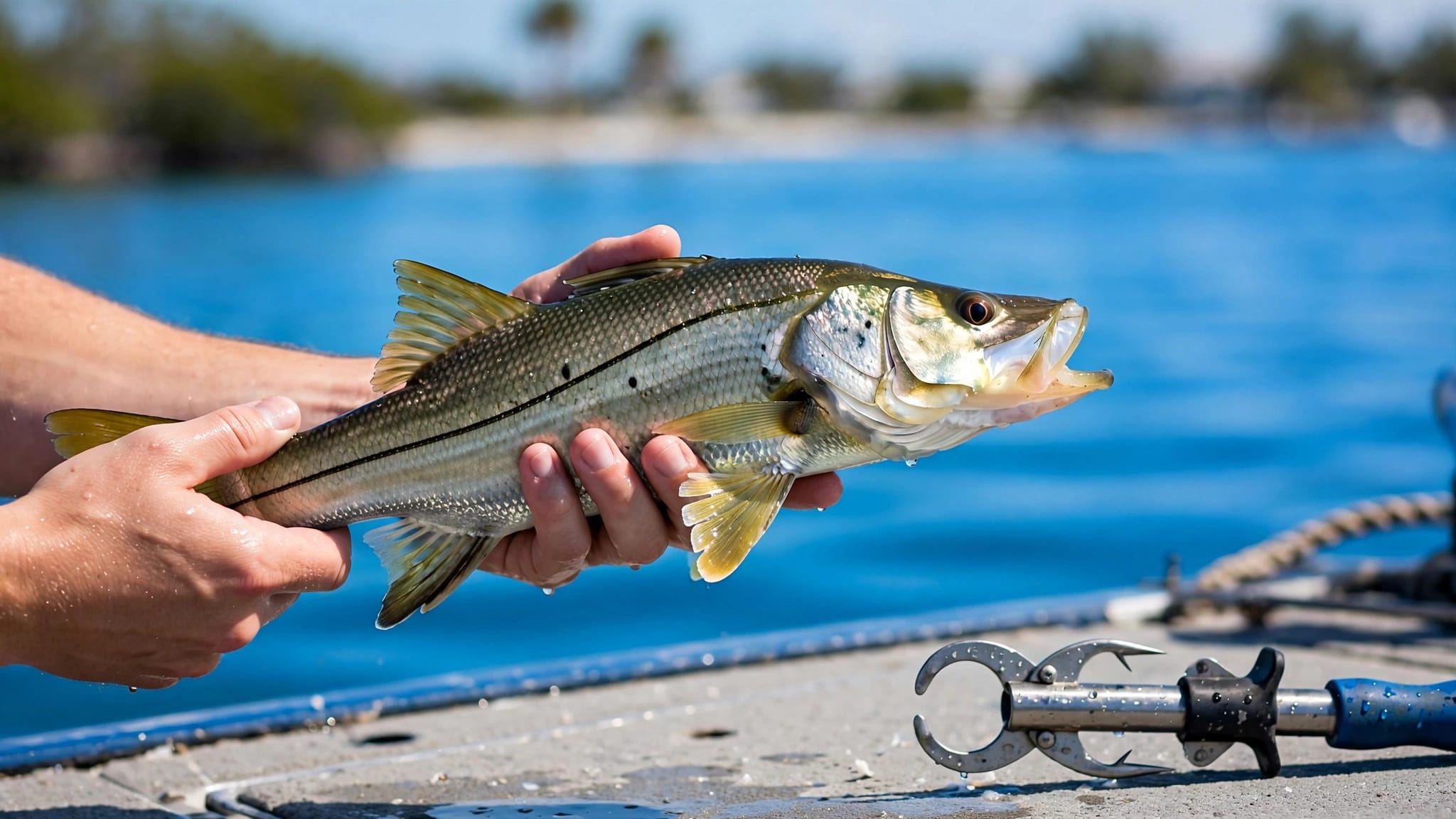
If the hook can be removed safely, appropriate tools help keep hands away from the teeth. When removal would put people or the fish at risk, cutting the leader as close to the hook as safely possible may be the better option.
A photograph should not delay the release. Watching the shark swim away can be a memorable part of the experience without bringing it aboard.
Understand Florida's Shark Fishing Rules
Florida regulates recreational shark fishing by species, size, gear, and harvest limit. A shark that can be caught is not necessarily one that can be kept.
Limits and Size Requirements
Florida allows no more than one shark per person per day and no more than one per vessel per day, whichever is more restrictive. Recreational shark harvest uses hook-and-line gear.
Many retainable sharks have a minimum size of 54 inches fork length, measured to the fork in the tail. Some species have different requirements, so identifying the fish is essential before deciding whether it can be harvested.
The Florida Fish and Wildlife Conservation Commission's shark regulations explain the state's species rules, limits, and handling requirements. Florida's Gulf state waters extend nine nautical miles offshore; different federal rules can apply beyond that boundary.
Protected Species and Shore Fishing
Many shark species are prohibited from harvest or possession in Florida waters. They must be released under the state's handling requirements rather than brought aboard for a closer look.
Anglers fishing for sharks from shore need a no-cost shore-based shark fishing permit and must complete the associated educational course. That requirement is separate from a boat trip, so the setting matters when planning your outing.
Plan Your Day on the Water
Before choosing a private fishing charter, consider what your group wants most. You may be interested in the possibility of a shark, a general introduction to local fishing, or a day exploring the Gulf side of the islands.
Our fishing trips include the fishing license, gear, bait, and a cooler. Half-day, three-quarter-day, and full-day options give you a choice of how much time to spend on the water.
Share your preferred dates, the ages and experience levels in your group, and how comfortable everyone is with an open-water ride. That information helps us discuss a suitable trip while leaving room for conditions to guide the plan.
Shark Fishing Questions
Are sharks only found offshore near Sanibel and Captiva?
No. Sharks have been reported in nearshore Gulf waters and in Pine Island Sound. Bays, passes, and beaches are connected, so a shark encounter is possible in more than one setting.
Can you keep a shark caught on a charter?
Some sharks may be harvested if they meet the applicable species, size, and bag-limit rules. Many others are prohibited from harvest and must remain in the water for release.
Plan Your Sanibel and Captiva Fishing Trip
A shark encounter can add an unexpected moment to a day on the water, whether you are fishing near a pass or exploring the Gulf side of the islands. The species and conditions will help determine how the encounter unfolds.
If sharks are part of your fishing interests, tell us when you plan your trip. We can discuss the experience your group wants and the options available near Sanibel and Captiva.
Recent Posts
We got it.
Thank you for contacting us.
We’ll get back to you as soon as possible.