
Why Local Experience Matters on a Southwest Florida Charter
A local captain can make a Southwest Florida fishing charter more productive and enjoyable by matching the day's plan to the water, weather, tides, and fish activity. That experience also helps your group make informed choices about where and how to fish.
Whether you are new to saltwater fishing or hoping to pursue a favorite species, local knowledge gives you a useful starting point. The details become clearer once you see how a captain makes decisions throughout the trip.
What Local Experience Adds to Your Charter
Southwest Florida offers mangrove shorelines, shallow flats, island passes, and Gulf waters within reach of Cape Coral, Sanibel, and Captiva. Each setting has its own character, and the most inviting place to fish can change with the conditions.
A captain who knows the area can connect those details to your goals. If your group wants a comfortable introduction to fishing, a bay or sheltered shoreline may be a better starting point than open Gulf water. If you want to focus on a particular species, the plan can begin with the habitat and season associated with that fish.
Local experience doesn't guarantee a catch. It does provide a basis for choosing where to start, when to move, and how to adjust when the water looks different than expected.
At Go & Get It Charters, Captain Andre Luttana brings decades on the water and a lifelong connection to Florida to our inshore fishing charters. His familiarity with the area helps shape the outing around the day's opportunities and your group's interests.
Learn the Waters Around Cape Coral and the Islands
A map can show the broad outline of a bay or channel. Time on the water adds an understanding of how depth, current, and exposure can change the experience in those places.
Recognize Different Inshore Settings
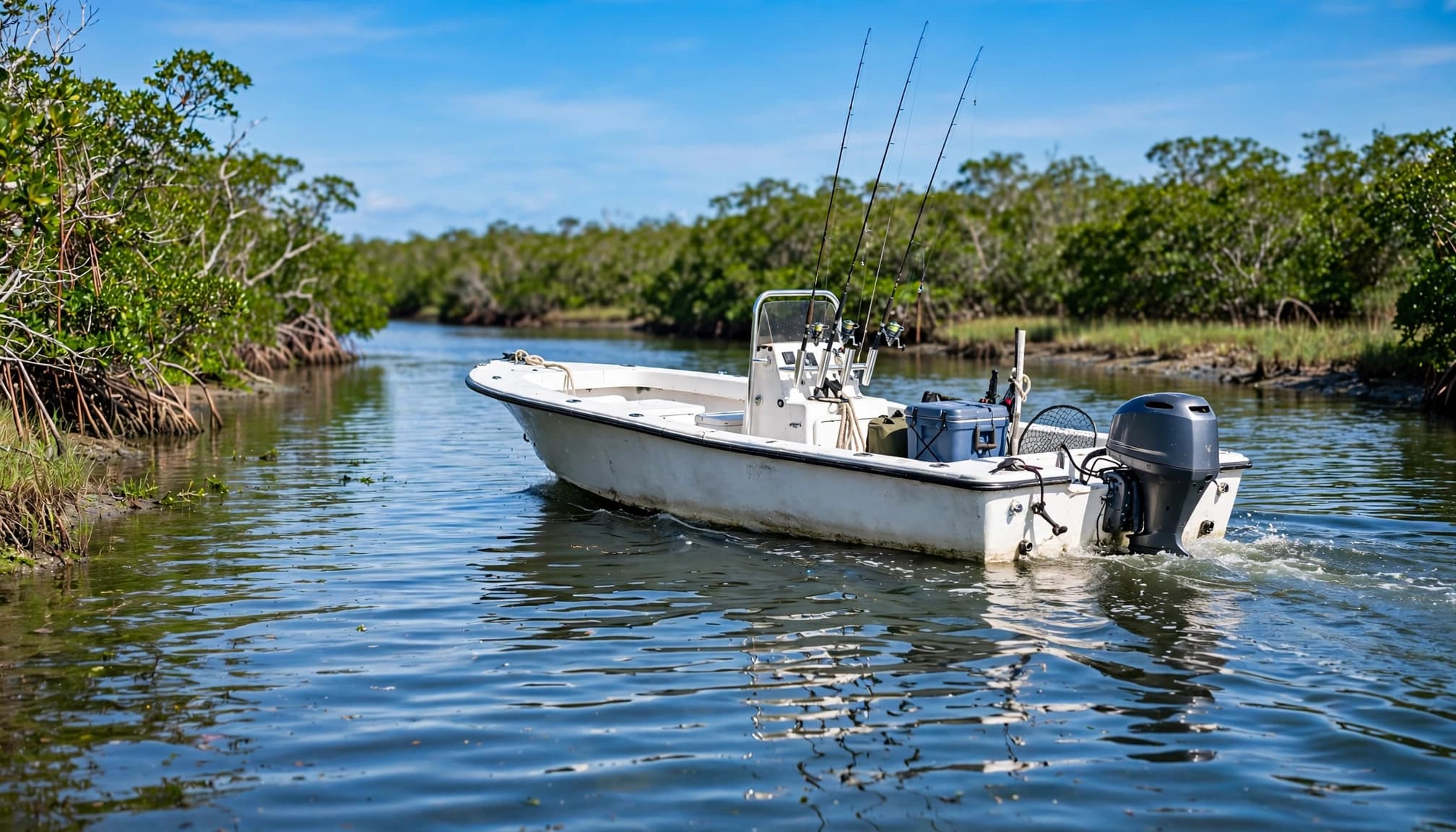
Pine Island Sound lies between Pine Island and the barrier islands, with seagrass beds, oyster habitat, and mangrove edges throughout its connected waters. Those features offer different places to look for fish and different ways to approach them.
A mangrove shoreline may call for a cast close to cover, while an open grass flat gives anglers more room to work. Our bay fishing trips focus on the broader bays, sounds, and estuaries where these habitats meet.
Understand How Water Depth Changes the Plan
Shallow water can hold fish, but it also requires attention to the boat's position and the available depth. A captain may approach a flat by a deeper edge and choose a casting position that keeps the boat away from the shallowest area.
The route and fishing position can change as the tide rises or falls. For you, that may mean fishing a shoreline at one point in the trip and returning by a different path later.
Read the Tides and Moving Water
Tides influence both where a boat can travel and how bait moves through the water. A local captain considers those effects together rather than treating a high or low tide as a simple promise of good fishing.
Follow the Flow Around Structure
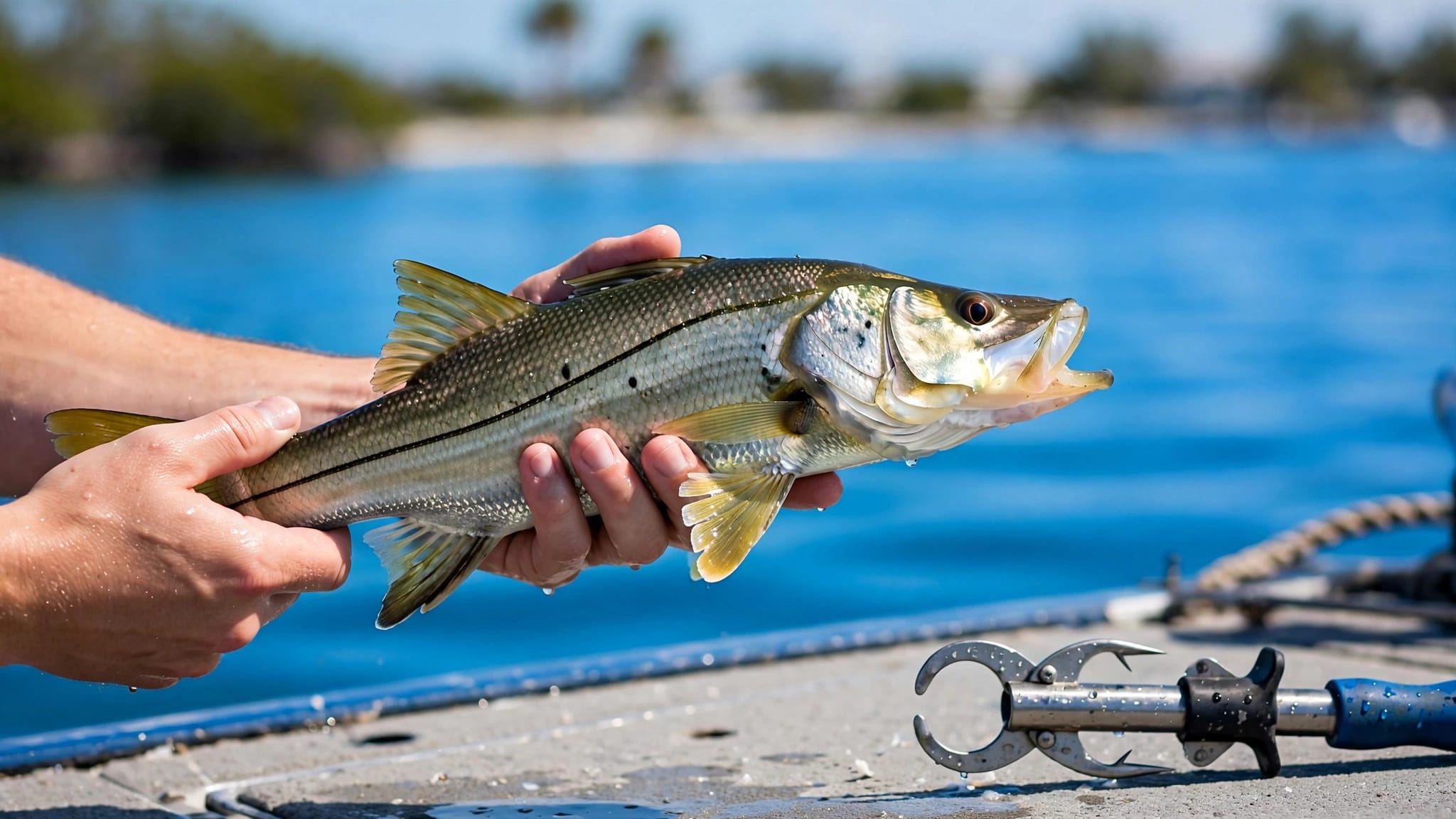
As water moves past a point, shoreline, or channel edge, it can carry small fish and other prey into places where larger fish feed. Snook, for example, often use structure and may wait where moving water brings food within reach.
A captain might position the boat so you can cast toward the edge of that flow. The aim is to present the bait where a fish may find it, while keeping the boat at a useful distance.
Allow for Changes in Water Level
On a falling tide, a shallow flat may have less room for the boat than it did earlier. Fish may also have access to different edges and channels as water leaves the flat.
On a rising tide, water can reach farther into shallow shoreline habitat. Neither change guarantees a bite, but each gives the captain information to use when choosing the next stop.
NOAA's tide and current information provides predictions and water-condition data that can help inform those decisions. What happens on the water also depends on wind, weather, and the particular location.
Match the Fishing Approach to the Habitat
Different fish use different parts of the coast, and many move among habitats as conditions change. Local knowledge helps a captain decide which surroundings deserve attention for the species your group hopes to pursue.
Look for Snook Near Cover and Current
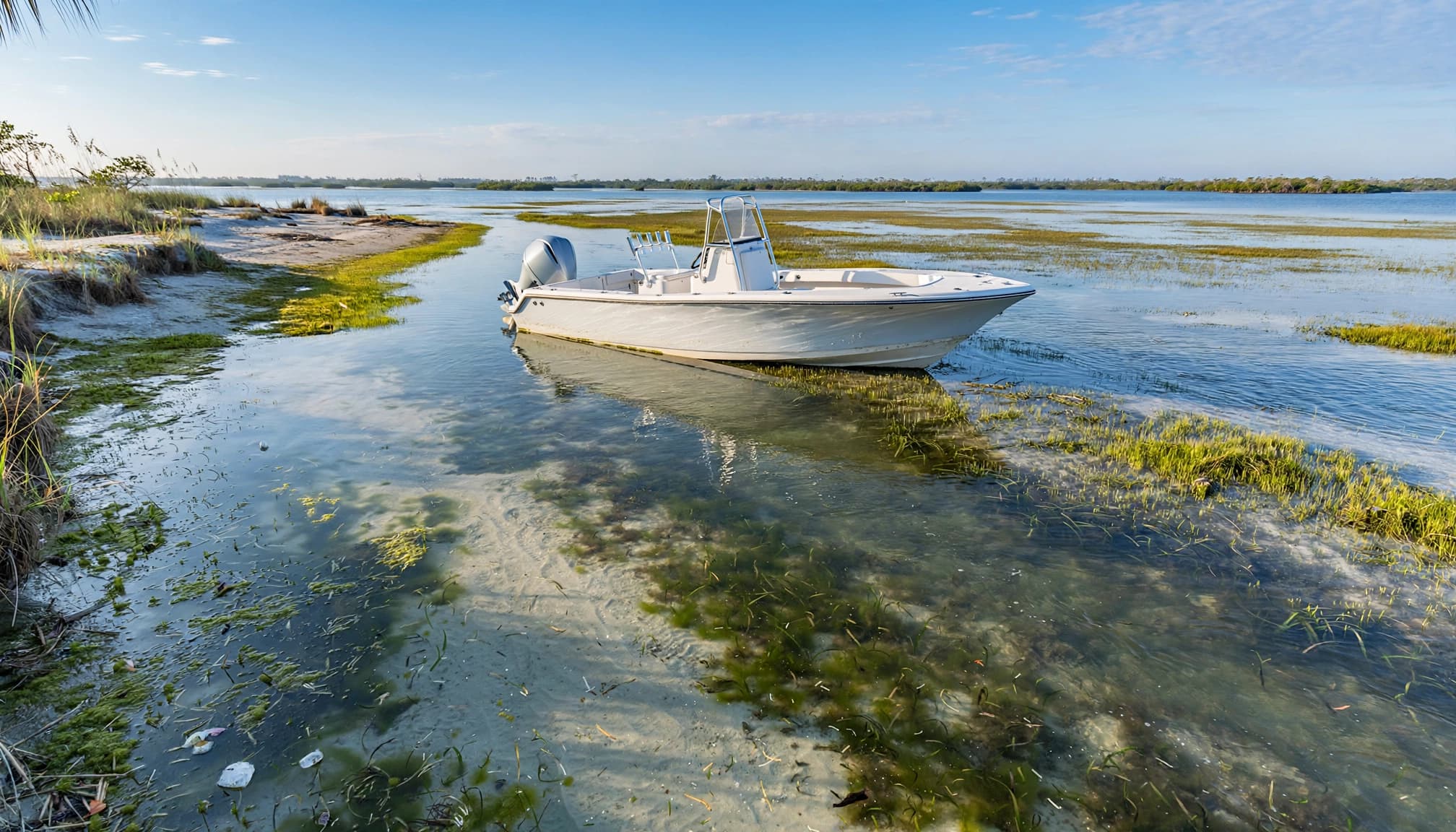
Snook use mangrove shorelines, seagrass beds, beaches, and other structure. The Florida Fish and Wildlife Conservation Commission's snook profile notes that they feed on fish and large crustaceans.
If a shoreline has moving water and bait nearby, it may be worth spending time there. On our snook fishing charters, the approach can include casting near cover and paying attention to how the current moves the bait.
Explore Flats and Oyster Habitat
Redfish use a range of shallow areas, including seagrass, oyster habitat, and sandy or muddy bottoms. Spotted seatrout are often pursued over grass flats and sandy areas, where shrimp and small fish are among their prey.
A captain can adjust the bait or fishing approach to the depth, habitat, and activity at hand. Our guide to Gulf waters and fish offers more detail on species you may encounter around the islands.
Account for Seasonal Fish Patterns
The same shoreline can offer a different fishing experience in another season. Water temperature, fish movement, and weather all influence which areas and species are practical to pursue.
Plan Around Seasonal Tarpon Opportunities
Spring and early summer are important times for the regional tarpon migration. Anglers pursue these fish along beaches and in coastal waters near Sanibel and Captiva, although their movements and the weather vary.
A captain's seasonal experience helps put your travel dates into context. If tarpon are your priority, an early conversation about the timing and the patience the pursuit may require can help you decide if the trip fits your group.
Our tarpon fishing charters are catch-and-release. Fish welfare takes priority over a photograph, and tarpon are kept in the water during release.
Adjust When Water Temperatures Change
Some species respond strongly to temperature. The FWC notes that snook cannot tolerate water temperatures below 60 degrees Fahrenheit, which is one reason a cold period can affect the search for them.
Spotted seatrout may move into deeper water during colder conditions. A captain familiar with those patterns can consider a different depth or target rather than relying on a place that produced fish in warmer weather.
Make Weather and Safety Part of the Plan
A clear view from the dock doesn't tell the whole story about the Gulf. Wind direction, waves, storms, and the distance to shelter can all affect where a group can fish comfortably and safely.
Compare Open Water With Sheltered Areas
Nearshore fishing takes place outside the barrier islands, where the boat is more exposed to Gulf conditions. A bay or mangrove shoreline may offer more shelter, although wind and weather still affect those waters.
If the Gulf is rough, a captain may choose an inshore setting where the group can spend more time fishing and less time managing an uncomfortable ride. Conditions can also make postponing a trip the safer choice.
Respond as Conditions Develop
The National Weather Service marine forecast provides information about wind and seas for local coastal waters. A captain also pays attention to what is happening during the trip, including changing winds and approaching storms.
If lightning threatens, the priority is getting off the water and into suitable shelter. A flexible fishing plan leaves room for that decision without treating a particular destination as more important than the people aboard.
Choose Routes That Make Sense for the Day
Local route knowledge is useful even when the fishing destination is close to the departure point. Channels, shallow edges, boat traffic, and weather exposure all influence the path a captain chooses.
A route through deeper water may take a little longer than a straight line across a flat, but it can keep the boat away from shallow habitat. On a windy day, the captain may also consider how the direction of travel affects the ride.
Those choices matter when your group includes children, first-time boaters, or anyone who prefers a gentler experience. Sharing those preferences helps the captain consider both the fishing and the time spent traveling between stops.
The return trip matters, too. Water levels and weather can change while you are fishing, so a suitable route at the beginning of the outing may need another look later.
Shape the Experience Around Your Group
A private charter gives you time together with a captain who can adapt the fishing approach to your interests. The more clearly you describe the experience you want, the easier it is to begin with a suitable plan.
Share Your Fishing Goals
If you hope to catch a particular species, mention it when you arrange the trip. A dedicated tarpon outing calls for different expectations than a relaxed day exploring inshore habitat for several possible species.
Experienced anglers may want time to practice a particular style of fishing. Beginners may prefer help with casting and recognizing a bite. Both are useful details when planning the pace of the day.
Talk About Comfort and Preparation
Tell us about your group's experience, the ages of any children, and any needs that could affect your time aboard. If someone prefers calmer water or has limited time available, those details can help shape the outing.
Our fishing trips include the license, gear, bait, and a cooler. Bring sun protection and clothing suited to the forecast, and leave room for the captain to adjust the destination if conditions change.
Questions About Fishing With a Local Captain
Does local experience guarantee more fish?
No catch is guaranteed. Local experience helps a captain make informed decisions about habitat, tides, seasons, and when to change the approach.
Can beginners enjoy a locally guided charter?
Yes. A captain can introduce casting and other basics while choosing an approach that suits the group's comfort and the day's conditions.
Plan Your Day on the Water
A local captain's experience becomes useful in the choices made throughout your trip, from reading the tide to finding a comfortable place to fish. Those decisions help shape a day around your group and the conditions at hand.
To discuss a private trip near Cape Coral, Sanibel, or Captiva, call Go & Get It Charters at (239) 910-4449.
Recent Posts
We got it.
Thank you for contacting us.
We’ll get back to you as soon as possible.