
How to Handle and Release Saltwater Fish Safely
A safe saltwater fish release starts before the fish reaches the boat. Have your tools ready, keep the fish in the water when practical, and handle it gently for as little time as possible.
Whether you are new to fishing or returning to Southwest Florida for another trip, these habits can help you prepare for the moment after a catch. The fish's size, the depth where it was caught, and the conditions around the boat all influence the release.
Plan Your Saltwater Fish Release Before You Cast
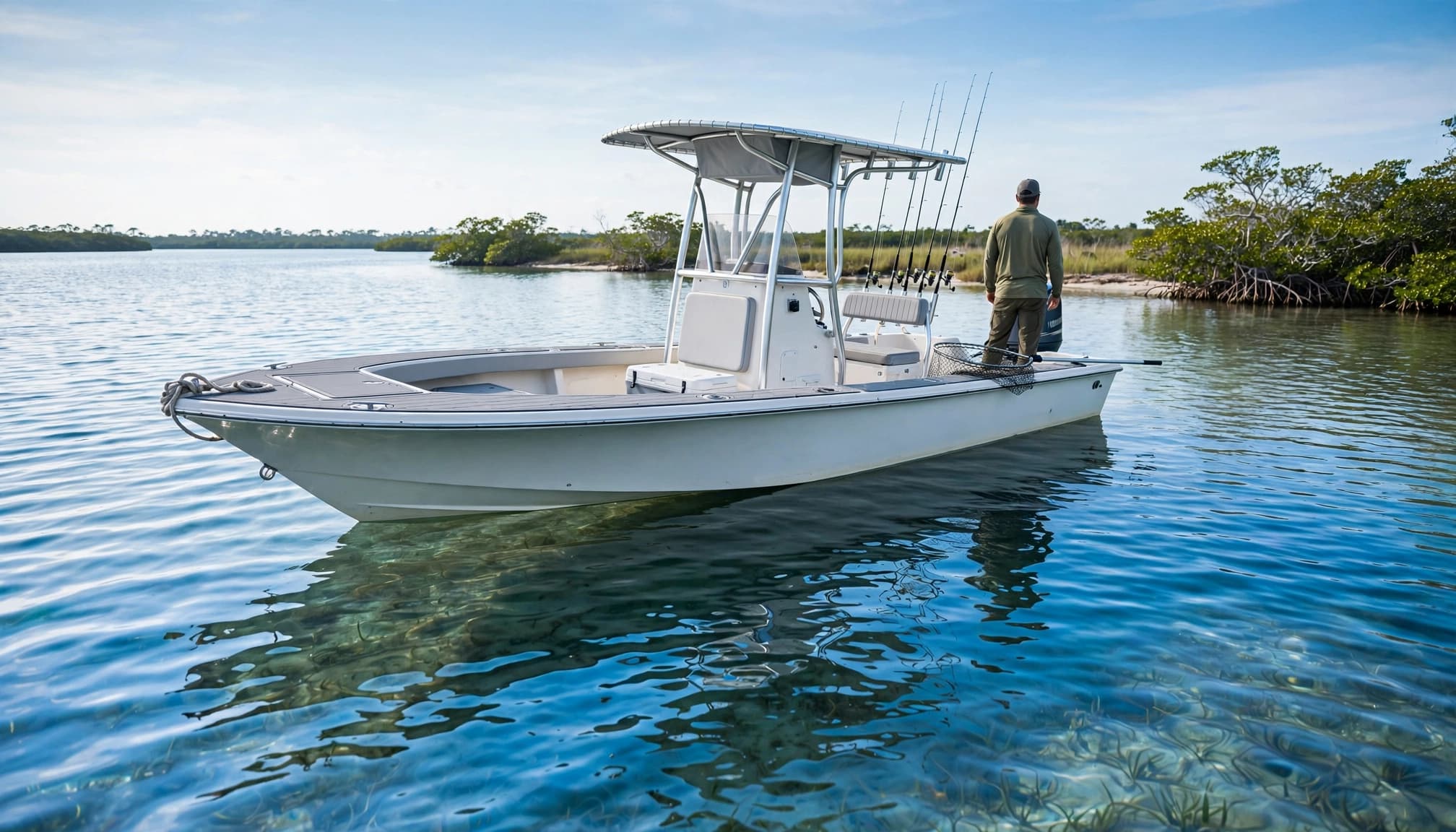
A little preparation gives you more time to focus on the fish when it reaches the boat. Keep pliers or a dehooking tool, line cutters, and a suitable landing net where they are easy to reach.
A rubber or rubber-coated net can help protect a fish's skin compared with rough netting. If you are fishing deeper water for reef fish, have an appropriate descending device ready before the first fish comes aboard.
Think about the photograph ahead of time, too. A phone that is already accessible lets you capture the moment without keeping a fish out of the water while someone searches for a camera.
On a private fishing charter, listen to the captain's directions before reaching for the fish or the leader. If everyone knows who will handle the hook and who will take a picture, the release can proceed with less confusion.
Bring the Fish Alongside With Care
The release begins during the fight. Tackle suited to the fish you are pursuing can help you bring it alongside without extending the fight unnecessarily.
Keep steady pressure on the line and follow the fish's movements. If it runs toward the boat or changes direction, communicate with the captain so the line, other guests, and equipment stay clear.
Once the fish is close, avoid lifting it straight out of the water by the line. The line or hook can place pressure on its mouth, especially when the fish is large.
Instead, guide the fish alongside and decide whether the hook can be removed while it remains in the water. If a net is needed, bring the fish into it gently rather than chasing or scooping at it repeatedly.
Handle Saltwater Fish With Minimal Contact
A fish's skin has a protective coating that can be damaged by dry hands, rough surfaces, or unnecessary handling. Wet your hands before touching the fish, and keep contact brief.
Keep the Fish in the Water When Practical
If you can reach the hook safely, leave the fish in the water while removing it. That gives the fish access to water over its gills and avoids an unnecessary lift.
NOAA's catch-and-release guidance recommends handling fish as little as possible and keeping air exposure to a minimum when a fish must be removed from the water.
If a fish comes aboard, keep it away from hot, dry surfaces. A wet surface and wet hands are preferable, but a prompt return to the water remains the goal.
Support the Fish Without Squeezing
For a fish that can be lifted safely, use wet hands to support its body horizontally. Keep one hand near the front of the body and the other supporting the rear, with fingers away from the eyes and gills.
Avoid squeezing the belly or holding the fish vertically by its jaw. If it begins to thrash, lower it toward the water rather than tightening your grip.
Sharp spines and teeth are another reason to move carefully. Let the captain handle an unfamiliar fish if you are unsure where it is safe to touch.
Remove the Hook Without Prolonging the Release
Hook removal should be deliberate and brief. The location of the hook, the fish's movement, and your ability to reach it safely determine the next step.
Use Pliers for an Accessible Hook
If the hook is visible near the mouth, use pliers or a dehooking tool to work it free. Keep the fish supported in the water when possible, and avoid twisting its jaw or pulling against the hook.
Some fish have sharp teeth or strong jaws, so keep your fingers clear of the mouth. A tool gives you more reach and can help you work without holding the fish tightly.
If other hooks on a lure are exposed, pay attention to where they are moving. A fish that suddenly shakes can catch a hand or snag a net.
Cut the Line for a Deep Hook
A swallowed or deeply embedded hook can be difficult to remove without additional injury. Rather than pulling or digging into the fish, cut the line as close to the hook as you safely can and release the fish promptly.
Don't keep the fish out of the water while making repeated attempts. The captain can help decide how to handle a difficult hook placement, particularly when teeth, spines, or a large fish make the work unsafe.
Adjust Your Approach to the Fish's Size
Southwest Florida anglers may encounter a range of fish, including spotted seatrout, snook, redfish, and tarpon. Their different sizes and body shapes call for some adjustment, even though the basic handling principles stay the same.
Small and Medium Fish
A smaller fish may be manageable beside the boat or in a suitable net. Keep its body supported, remove the hook, and return it promptly rather than passing it between several people.
Spotted seatrout deserve gentle handling, including wet hands and limited contact. If the fish must be lifted for a quick photograph, have the camera ready first and keep the lift short.
Snook and redfish can also move suddenly at the side of the boat. Give the person handling the fish room to work, and keep the deck clear of loose tackle.
Large Fish and Tarpon
Large fish need more body support, and lifting one by the jaw or gill area can cause injury. If you cannot support its weight safely, leave it in the water and work beside the boat.
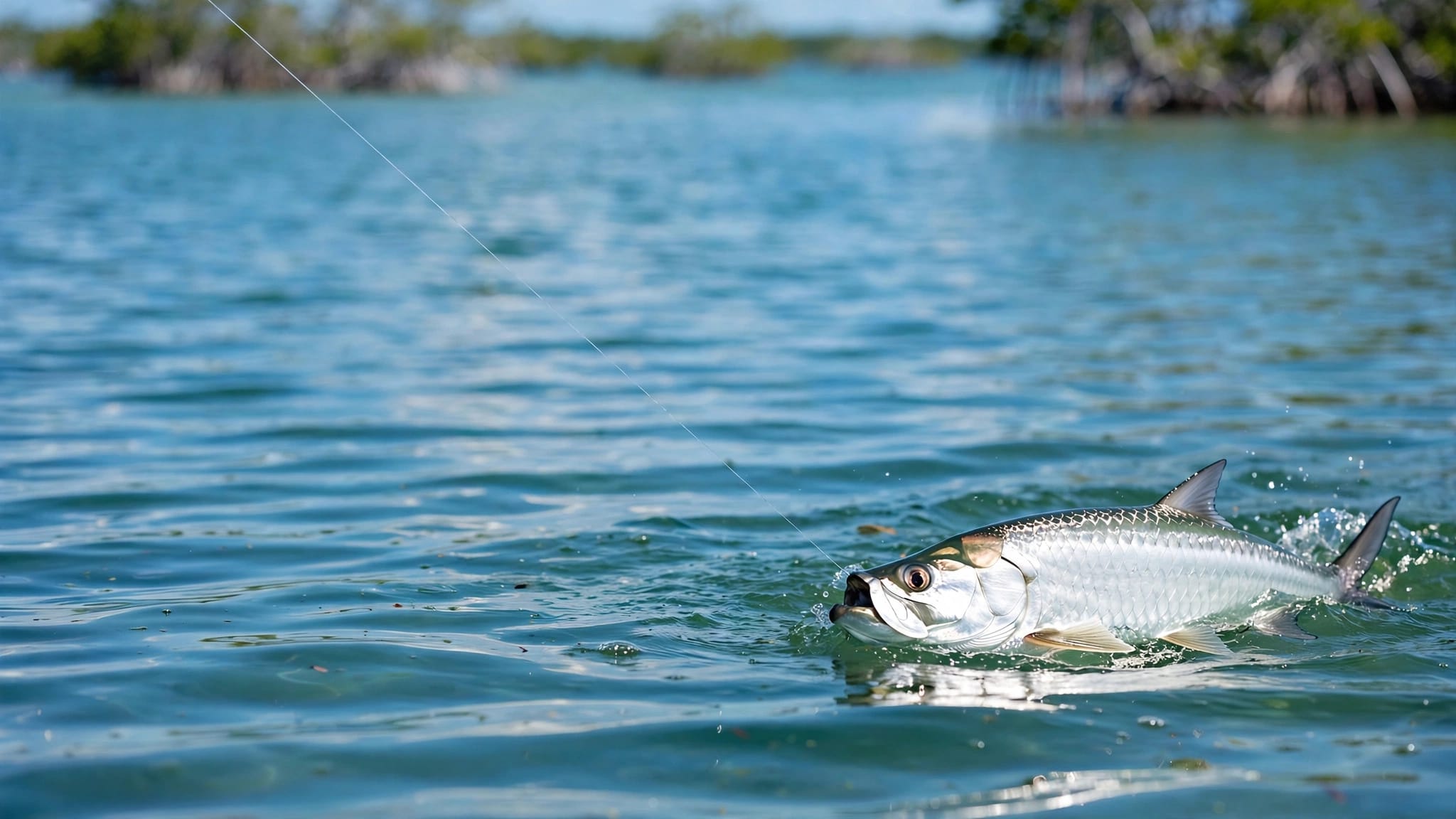
Tarpon should remain in the water throughout the release. On our tarpon fishing trips near Sanibel and Captiva, the encounter is catch-and-release, with the fish's condition taking priority over a photograph.
A NOAA-hosted study of Atlantic tarpon also discusses using heavier tackle to help reduce fight time. An efficient fight and a water-side release give you a practical approach to a powerful fish.
Recognize Pressure Injuries in Deep-Water Fish
A fish brought up from deeper water may have trouble returning on its own. As pressure changes during ascent, expanding gases can cause an injury called barotrauma .
Signs can include bulging eyes, a swollen body, raised scales, or a stomach protruding from the mouth. A fish may also struggle to swim downward or remain at the surface despite your efforts to release it.
These signs are more relevant to some deep-water reef fish than to a typical catch from a shallow grass flat. Not every fish responds the same way, so pay attention to its condition rather than relying on depth alone.
Return the Fish With a Descending Device
A descending device helps carry a buoyant fish back down, where increased water pressure can reduce the effects of expanding gas. NOAA identifies descending devices as a preferred option for fish showing barotrauma.
Different devices attach to the fish in different ways. Have the equipment assembled, follow its instructions, and lower the fish promptly rather than spending extra time handling it at the surface.
Don't assume that a fish swimming briefly at the surface can reach depth without help. If it cannot submerge because of buoyancy, a descending device provides a way to return it below the surface.
Leave Venting to Someone Trained
Venting uses a suitable hollow tool to release expanded gas, but incorrect placement or equipment can cause further injury. It is a specialized technique, not a step to improvise with a knife or another sharp object.
Don't push a protruding stomach back into the fish's mouth. If venting is needed, leave it to someone trained to use the appropriate tool, and return the fish to the water promptly.
Give the Fish a Calm Release
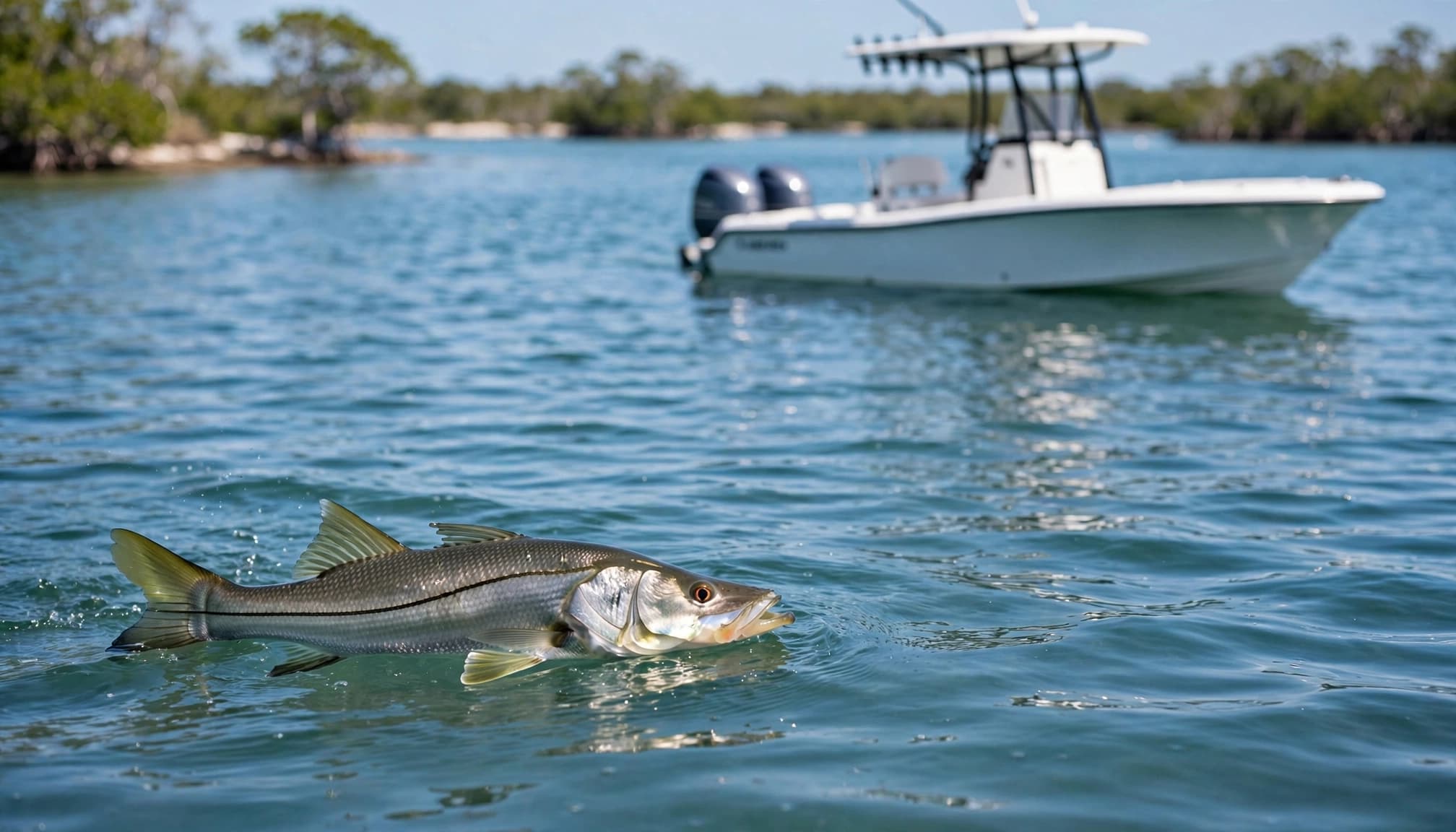
Once the hook is free, lower the fish gently into the water. Avoid dropping or tossing it over the side, especially when the boat sits high above the surface.
If the fish needs a moment before swimming away, support it gently in the water with its head facing into a mild current. Keep its gills submerged and let the water move naturally across them.
Wait until the fish can hold itself upright and swims away under its own power. Don't move it back and forth through the water or pull it behind the boat.
Conditions matter during this final step. Give the fish space away from the propeller and avoid releasing it into an area where a line or net could immediately become tangled again.
A fish that swims away may still have experienced stress. Careful handling improves its chance of recovery, but it cannot guarantee the outcome.
Understand the Catch Before Deciding What to Keep
Not every fish brought to the boat can be kept. Florida's recreational rules vary by species and can include harvest seasons, size requirements, and bag limits.
A closed harvest season does not always mean fishing for that species is prohibited. It does mean the distinction between catching and keeping matters when you plan your day.
Our guide to Southwest Florida fish species and fishing options offers more context on local catches and the factors that influence a trip.
If keeping an eligible fish matters to your group, mention that when arranging your outing. If a fish needs to be released, follow the captain's direction and prepare for its return to the water.
Saltwater Fish Release Questions
Should I take a fish out of the water for a photo?
Keep it in the water when practical, especially if it is large or appears stressed. If a smaller fish is lifted, wet your hands, support it horizontally, and have the camera ready before the lift.
What should I do if a fish cannot swim back down?
A fish caught in deeper water may be experiencing barotrauma. A descending device can help return it to depth, while venting requires the right equipment and training.
Plan a Thoughtful Day on the Water
A good release starts with preparation and continues through the final moment beside the boat. Wet hands, limited handling, and the right tools can help give a fish a better chance after the encounter.
If you are planning a trip around Cape Coral, Sanibel, or Captiva, tell us about your group's experience and the fish you hope to pursue.
Recent Posts
We got it.
Thank you for contacting us.
We’ll get back to you as soon as possible.