
When to Plan a Tarpon Fishing Trip Near Sanibel
The best time to plan a tarpon fishing trip near Sanibel is generally from mid-April through July, with May and June offering a popular window for the regional migration. The timing changes with water temperature, weather, tides, and the movement of fish.
Whether you are planning your first tarpon trip or returning for another chance, flexibility can make the experience more enjoyable. Start with the seasonal window, then consider the conditions and the kind of day your group wants on the water.
Key Takeaways for Your Trip
Spring and early summer are the main times to plan around the tarpon migration near Sanibel and Captiva. May and June are useful months to consider if tarpon are your main reason for visiting.
Book ahead for preferred dates, and leave room in your schedule if you can. A promising month gives you a starting point, while conditions on the water help shape the day's fishing plan.
When the Sanibel Tarpon Run Usually Begins
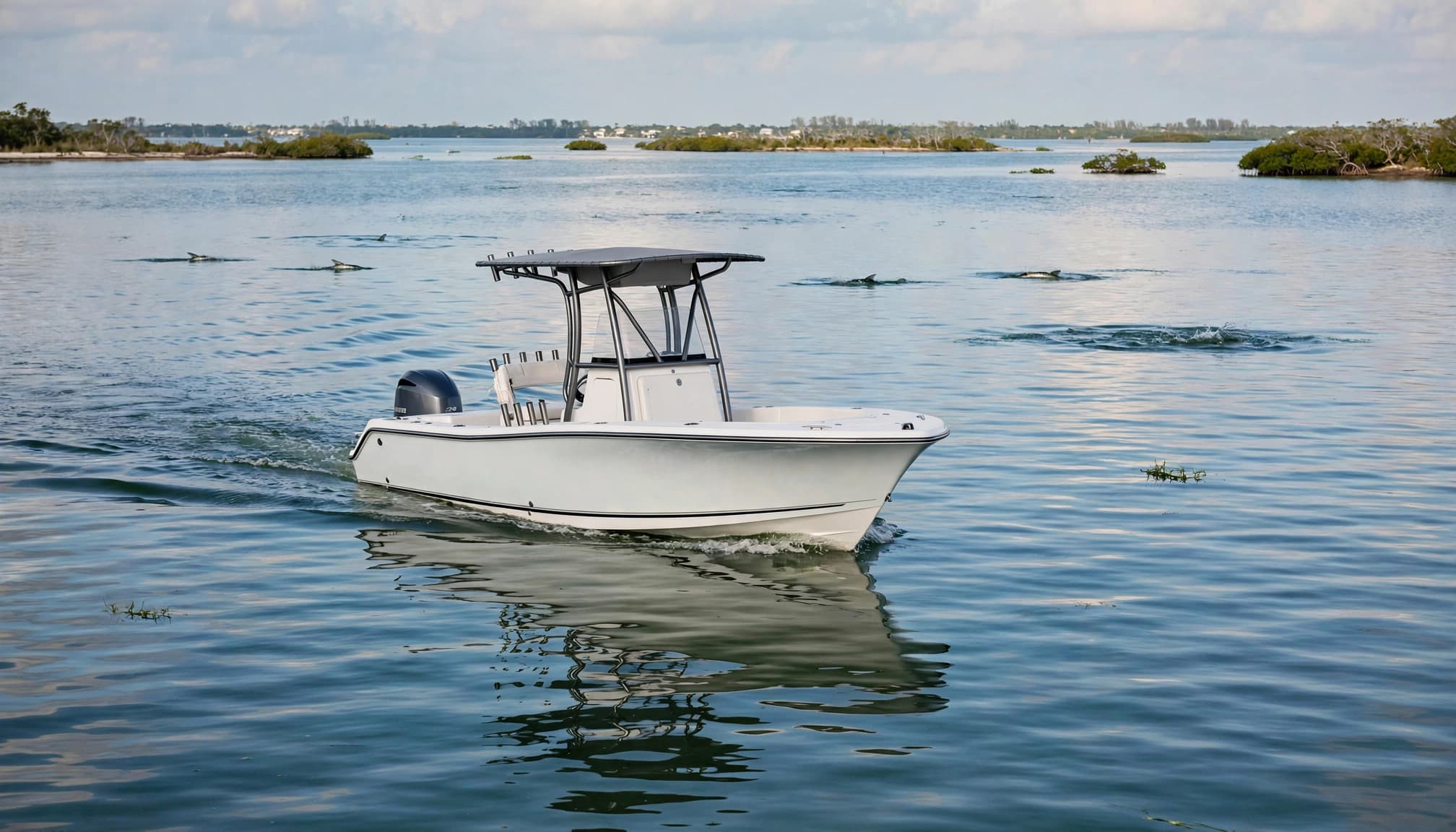
Tarpon move through Southwest Florida's coastal waters as part of a seasonal migration. Around Sanibel and Captiva, anglers look for them along beaches, near passes, and in other connected waters.
Look for the Migration in Spring
The Sanibel-Captiva Chamber of Commerce describes the local migration as beginning around mid-April and continuing well into July. Those months are a planning range rather than an opening and closing date.
If your visit falls early in that window, the outlook may depend on how the season has developed. Warming water, passing weather, and the arrival of fish can vary from one spring to the next.
You may also hear about tarpon outside the main migration period. Their presence at another time of year does not mean you should expect the same pattern as the spring and early summer run.
Consider May and June for a Focused Trip
May and June are often highlighted by anglers planning a tarpon-focused visit. They sit within the main local migration window and give you a practical place to begin choosing travel dates.
That does not make every day equally productive. Fish can be present without feeding when you are there, and wind or sea conditions may influence where a boat can comfortably fish.
If your vacation dates are already set, share them when arranging your trip. The discussion can center on what those dates offer rather than relying on a single ideal week.
What to Expect at Different Points in the Season
The season changes over several months, and each part of the window calls for a slightly different outlook. Your experience may depend as much on conditions during your visit as on the month itself.
Early and Midseason Trips
In mid-April, anglers may begin looking for the developing migration around the islands. An early trip can be appealing if your vacation falls in spring, with the understanding that the timing of fish movements varies.
May and June are popular choices for visitors who can plan their travel around tarpon. Even during those months, a focused outing may involve time spent searching, watching the water, and waiting for an opportunity.
A sighting can be exciting on its own. Tarpon sometimes roll at the surface, but seeing a fish does not mean it will take a bait or lure.
Later Summer and Outside the Main Window
July remains part of the locally described migration period. If your trip falls later in the season, the plan can still center on tarpon when their movements and the day's conditions make that practical.
Outside the main window, other fishing opportunities may be a better fit for your visit. Snook, redfish, spotted seatrout, and other coastal fish offer different experiences, depending on the season and where conditions allow you to fish.
Pay Attention to Water Temperature
Water temperature is one part of the seasonal picture. As coastal waters warm in spring, conditions change for tarpon and the baitfish they may follow.
The calendar alone cannot tell you when that change will happen. A cooler spell or an extended period of warm weather can make one spring look different from another, even on the same date.
Temperature also varies among the Gulf, bays, and shallower coastal areas. That variation is useful to consider when deciding where to look, although there is no single temperature that guarantees fish near Sanibel.
If tarpon are your priority, allow some flexibility around early-season travel dates. A few available days give you more room to plan around the conditions that develop during your stay.
Use Tides and Weather to Shape the Day
Tides influence water movement around beaches, passes, and the bays behind the barrier islands. Weather affects both the fishing conditions and how comfortable it is to reach those areas.
Understand What Moving Water Changes
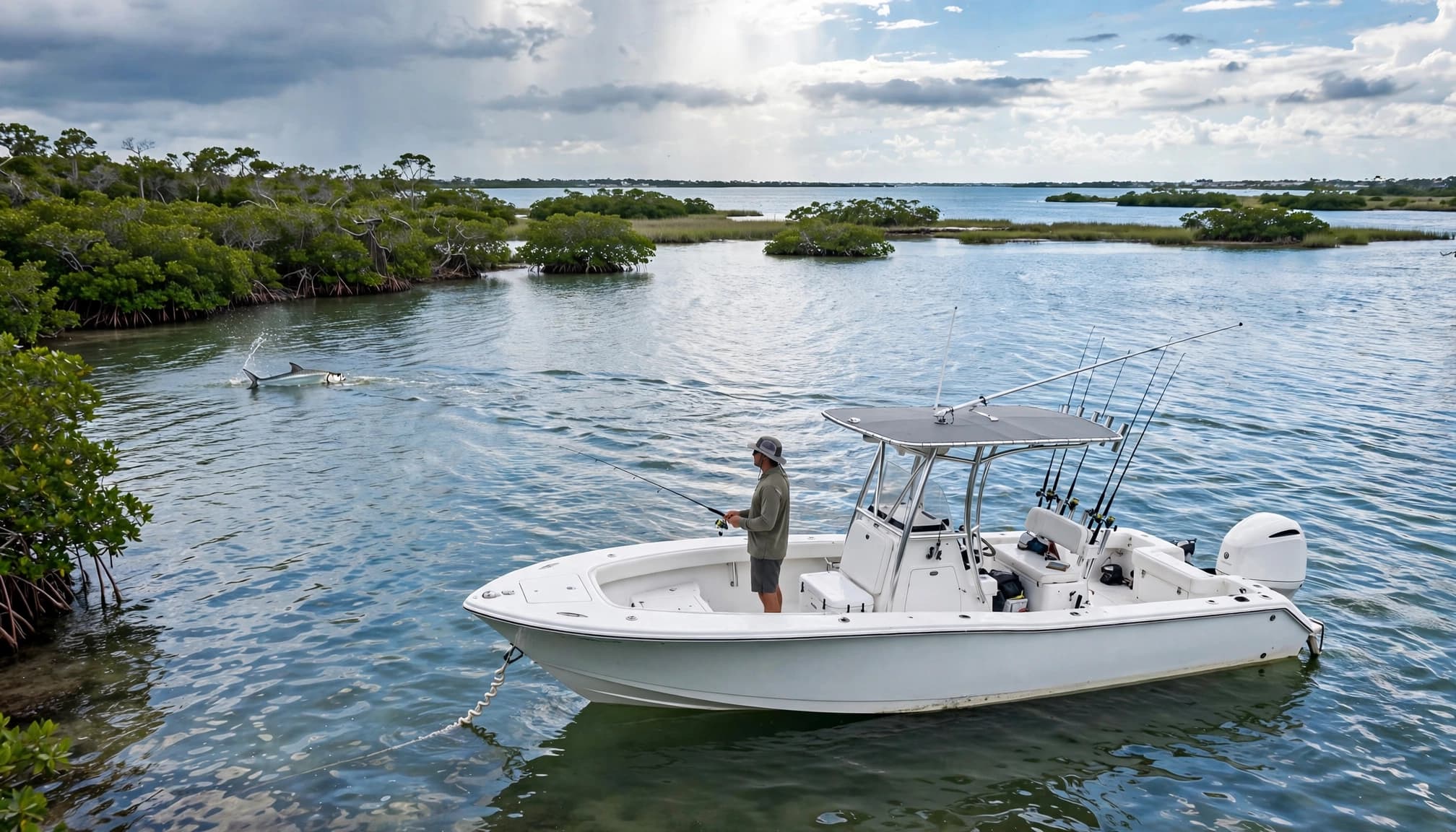
As the tide rises or falls, current can carry bait through passes and along shorelines. Water levels and current strength also influence where a boat can fish and how bait or a lure moves through the water.
A tide that looks promising on a chart is only one part of the plan. The direction and strength of the wind, the location of bait, and the presence of tarpon all matter on the day.
There is no single tide stage that guarantees a bite throughout the Sanibel area. Your captain can consider the tide alongside the places and conditions available during your trip.
Leave Room for Wind and Storms
Gulf waters outside the islands are more exposed than many bay and shoreline areas. Wind and waves can make a nearshore location uncomfortable even when it is relatively close to land.
Rain and thunderstorms are also part of the local weather picture, particularly during the warmer months. A change in the forecast may mean adjusting the location, timing, or plan for the day.
If your schedule allows, avoid placing your only available fishing day at the end of a short visit. An extra day can provide more options if weather interrupts the original plan.
Choose the Water That Fits Your Group
Sanibel and Captiva sit beside a mix of Gulf beaches, island passes, and waters connected to Pine Island Sound. Tarpon can use different parts of this coastal setting as they move through the region.
A trip along the Gulf side offers open-water views, but the ride can feel different from a day inside the barrier islands. Bays and shorelines may offer more shelter, although they are still affected by wind and tides.
Tell us how your group feels about open water when discussing your plans. The fishing location depends on conditions and opportunities, so a preferred setting is a starting point rather than a promise.
For a closer look at the coastal setting, our Gulf waters fishing guide explains how nearshore trips differ from fishing inside the islands.
Book Your Fishing Charter Early
If you are arranging a vacation around tarpon, contact us several months ahead when possible. That gives you more choice of dates during the popular spring and early summer period.
You do not need to have every detail settled before starting the conversation. Your travel window, preferred departure area, and interest in a tarpon-focused trip are useful places to begin.
Share Your Group's Priorities
Let us know how many people are coming, their fishing experience, and how comfortable they are on a boat. If someone has concerns about a physically demanding fight, mention that as well.
A private fishing charter can bring together anglers with different backgrounds. The more we understand about your group, the easier it is to discuss a trip that fits the experience you want.
If the main goal is to pursue tarpon, say so when booking. If you would also enjoy other species, that gives the conversation a different starting point when conditions change.
Consider Your Schedule and Trip Length
Think about how much time your group wants to spend on the water. A longer outing offers more time to search and adjust, while a shorter trip can leave room for other vacation plans.
More time does not guarantee a hookup. Patience remains part of the pursuit, regardless of how long you fish.
Our fishing trips include a fishing license, gear, bait, and a cooler. Departures and pickups are available in Cape Coral, Sanibel, and Captiva. Our guide to planning a private charter offers more detail on choosing a day that suits your group.
Prepare for a Focused Fishing Experience
Tarpon fishing can involve periods of looking and waiting, followed by a demanding fight if a fish takes the bait. Tarpon are known for powerful runs and jumps, so listening to your captain and communicating during the encounter are important.
Beginners can enjoy the experience, but it helps to understand the pace before booking. You may spend part of the trip watching for fish or waiting for the right chance rather than casting continuously.
Bring sun protection and clothing suited to the forecast. A hat, sunglasses, and a lightweight layer can make time on the water more comfortable.
The Florida Fish and Wildlife Conservation Commission also offers tarpon fishing best practices for anglers preparing to release their catch.
Plan for Catch and Release
Our tarpon trips are catch-and-release experiences. The fish's condition takes priority over a photograph, and the goal is to return it to the water with the best opportunity to swim away strongly.
Under Florida's tarpon regulations, tarpon over 40 inches must remain in the water unless an angler is pursuing a state or world record with a tarpon tag. On our trips, keeping tarpon in the water is part of the approach.
A careful release is part of the experience for new and experienced anglers alike. Follow the captain's direction during the fight and release, and enjoy the chance to see the fish close to the boat.
Tarpon Fishing Questions
Can beginners book a tarpon fishing trip?
Yes. Beginners can take part, although tarpon fishing calls for patience and can be physically demanding. Share your group's experience and comfort level before booking so the trip can be discussed with those needs in mind.
Can I catch tarpon near Sanibel in July?
July is within the locally described migration window, so it can offer opportunities. Fish movement, weather, and water conditions vary, and a particular date cannot guarantee an encounter.
Plan Your Sanibel Tarpon Trip
Mid-April through July gives you a useful seasonal window, with May and June among the most popular months to consider. Leave room for changing conditions and approach the day with patience.
Contact Go & Get It Charters to discuss your dates, your group, and the tarpon fishing experience you have in mind.
Recent Posts
We got it.
Thank you for contacting us.
We’ll get back to you as soon as possible.