
Where to Find Spanish Mackerel Near Sanibel
Spanish mackerel can turn up near Sanibel in coastal Gulf waters, island passes, and bays where baitfish are moving. Grass beds and reefs are also part of their habitat, although the fish may change locations as conditions shift.
Whether you are new to saltwater fishing or planning a return visit, a flexible approach gives you room to follow the signs. Start with the water around the islands, then let the day's bait, weather, and current guide the search.
Look for Spanish Mackerel in Connected Coastal Waters
Spanish mackerel are schooling fish that move through a range of coastal habitats. The Florida Fish and Wildlife Conservation Commission describes them as common in inshore and nearshore waters, including grass beds and reefs.
Around Sanibel, those habitat types sit within a network of beaches, passes, bays, and Gulf waters. A school may be near the surface, farther down in the water, or somewhere beyond sight.
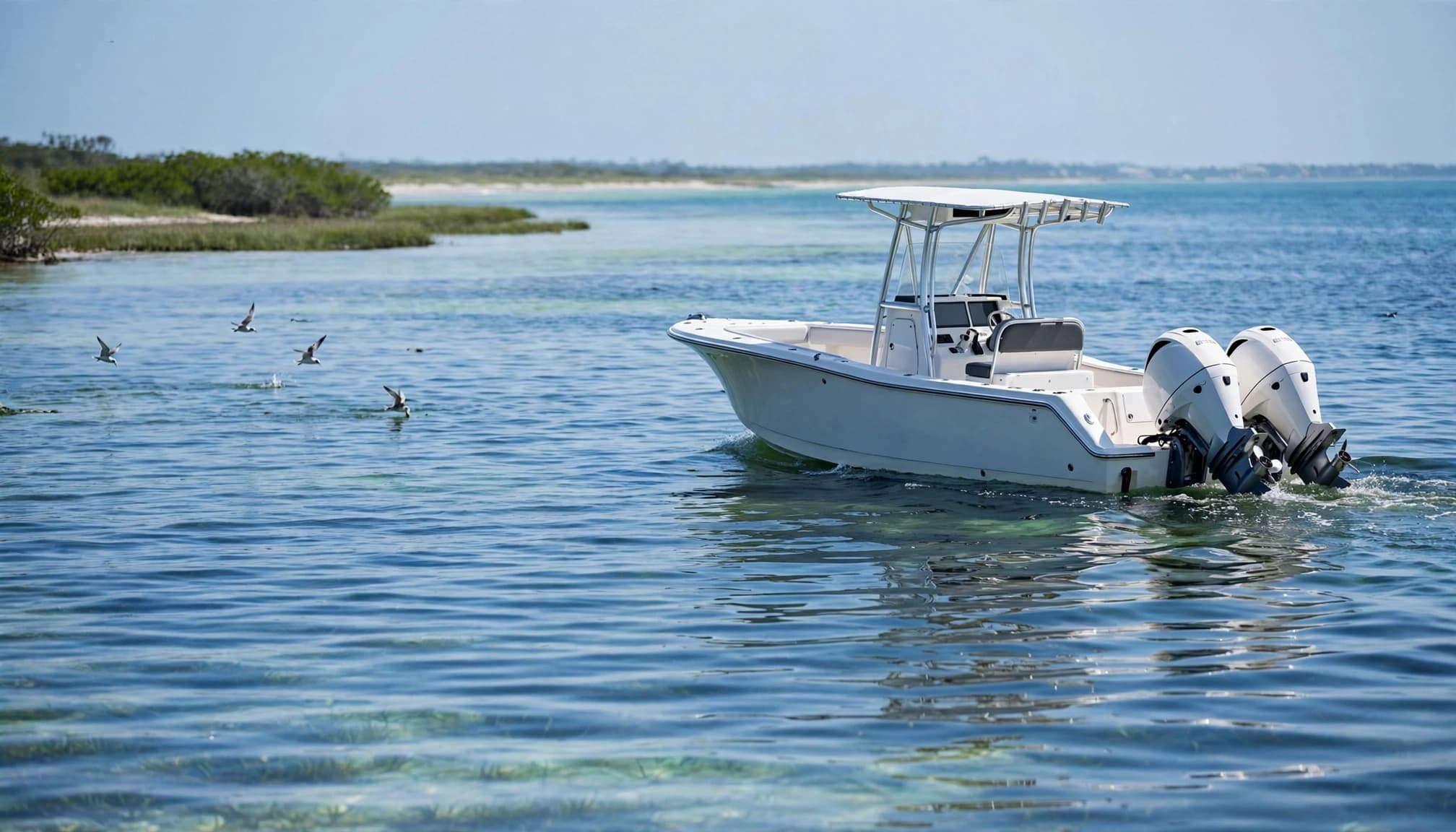
The presence of suitable habitat gives you a place to begin, but it does not mean fish will remain there all day. A productive search involves watching for bait and being willing to explore another area when activity changes.
If you are planning a trip around a specific species, share that preference before you go. Spanish mackerel may be part of a wider nearshore outing rather than the only fish available.
Explore the Gulf Side of Sanibel and Captiva
The beaches along Sanibel and Captiva offer a useful reference when searching the coastal Gulf. Rather than choosing a spot by the shoreline alone, look at the water outside it for baitfish, birds, and changes in depth.
Nearshore reefs and other underwater structure can attract bait, giving you another area to investigate. Mackerel may move through the surrounding water instead of holding directly over a particular feature.
A nearshore trip does not have to mean a long run offshore. How far you travel and where you stop depend on the weather, sea conditions, and fishing opportunities that day.
Keep comfort in mind when choosing this setting. Gulf waters have less protection from wind and waves than the bays behind the islands, even when the boat is relatively close to shore.
Our guide to fishing Gulf waters near Sanibel describes other species you may encounter on a nearshore outing.
Fish the Passes Between the Islands
Passes connect Gulf water with the bays and sounds behind the barrier islands. Their moving water can carry bait through channels and along edges, giving anglers several areas to observe.
Use Blind Pass and Redfish Pass as Landmarks
Blind Pass lies between Sanibel and Captiva, beneath the Sanibel-Captiva Road bridge. Redfish Pass is farther north, between Captiva and North Captiva.
Both are useful landmarks for understanding the connected waters around the islands. Neither is a guaranteed place to find Spanish mackerel, and the conditions in each pass can be different on the same day.
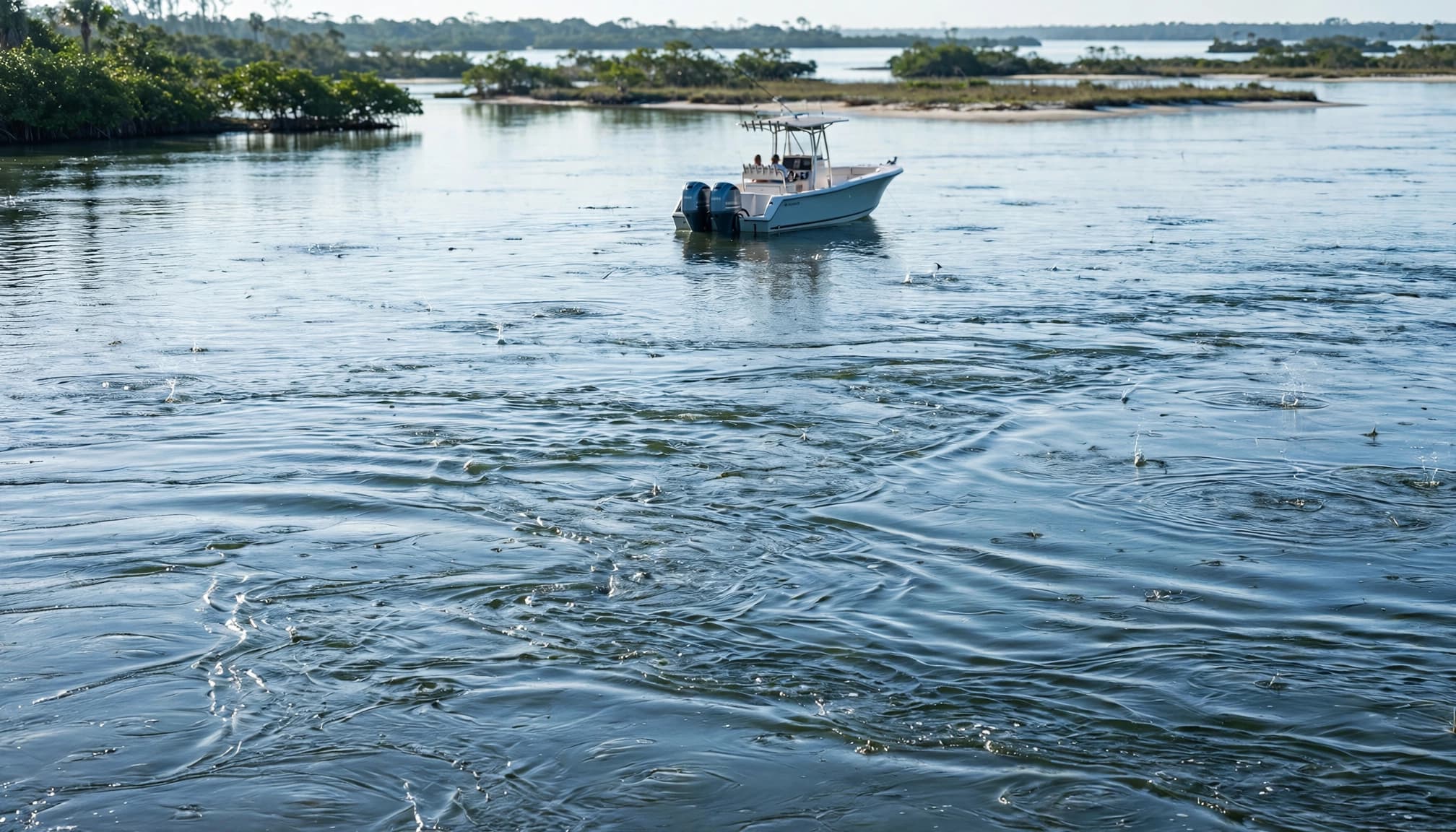
Read the Current Before You Cast
Look for a current seam, where faster and slower water meet, or an edge where bait is moving out of the main flow. These features can give you a starting point for a cast while leaving room to adjust.
The tide influences the current, but a tide prediction alone does not tell you exactly how the water will look when you arrive. Our guide to fishing the Sanibel and Captiva passes offers more detail on reading these areas.
Consider Pine Island Sound and Bay Waters
Spanish mackerel are not limited to the Gulf side of the islands. Pine Island Sound, between Pine Island and the barrier islands, includes open bay water, grass beds, and channels connected to the passes.
A school may move through these waters when bait and conditions are suitable. Watching the surface and paying attention to depth changes can help you decide where to spend time, though a promising flat or channel does not guarantee a bite.
Bay fishing can be appealing if your group prefers a setting with more shelter than the open Gulf. Wind and weather still affect the ride, and a protected shoreline does not mean every part of the bay will be calm.
Our bay fishing trips near Sanibel offer another way to experience these connected waters when an inshore setting suits your group.
Understand Seasonal Movement
Spanish mackerel move with changing water temperatures, and the season can influence where anglers look for them. The calendar is a helpful starting point, but it cannot predict where a school will be on your trip.
Follow the Spring Shift
FWC's report on Spanish mackerel trends describes a northward movement in the eastern Gulf during late winter and spring. That regional pattern provides context for a spring trip, rather than a set arrival date for Sanibel.
As conditions change, a captain may look along the beaches, near a pass, or in other coastal water where bait is present. The area's activity can change between one outing and the next.
Make Room for Summer, Fall, and Winter Conditions
Warm months can offer time on the Gulf side of the islands, while summer weather and sea conditions influence where it is comfortable to fish. In fall, cooling water can bring another change in fish movement.
Winter conditions may also shape the plan, especially after a cold front or when wind makes the Gulf side less comfortable. Southwest Florida offers fishing throughout the year, but Spanish mackerel availability varies, so it helps to discuss other possible targets.
Watch for Baitfish and Surface Activity
A good place to search is where small baitfish are gathered or moving through an area. Pilchards and threadfin are examples of local baitfish, although identifying the exact bait is less important than noticing activity and how it moves.
Diving birds, ripples, or small fish breaking the surface can point you toward feeding activity. Those signs do not identify the predator, so take a moment to observe before deciding how to approach.
If birds or bait are moving in one direction, a boat can approach with enough space to avoid running through the activity. Cast toward the edge of the action rather than assuming the fish will remain directly under the first disturbance.
Sometimes there is little to see at the surface. In that case, anglers may work a lure through different depths around suitable habitat, then move on if the area remains quiet.
Choose Bait and Tackle for Moving Fish
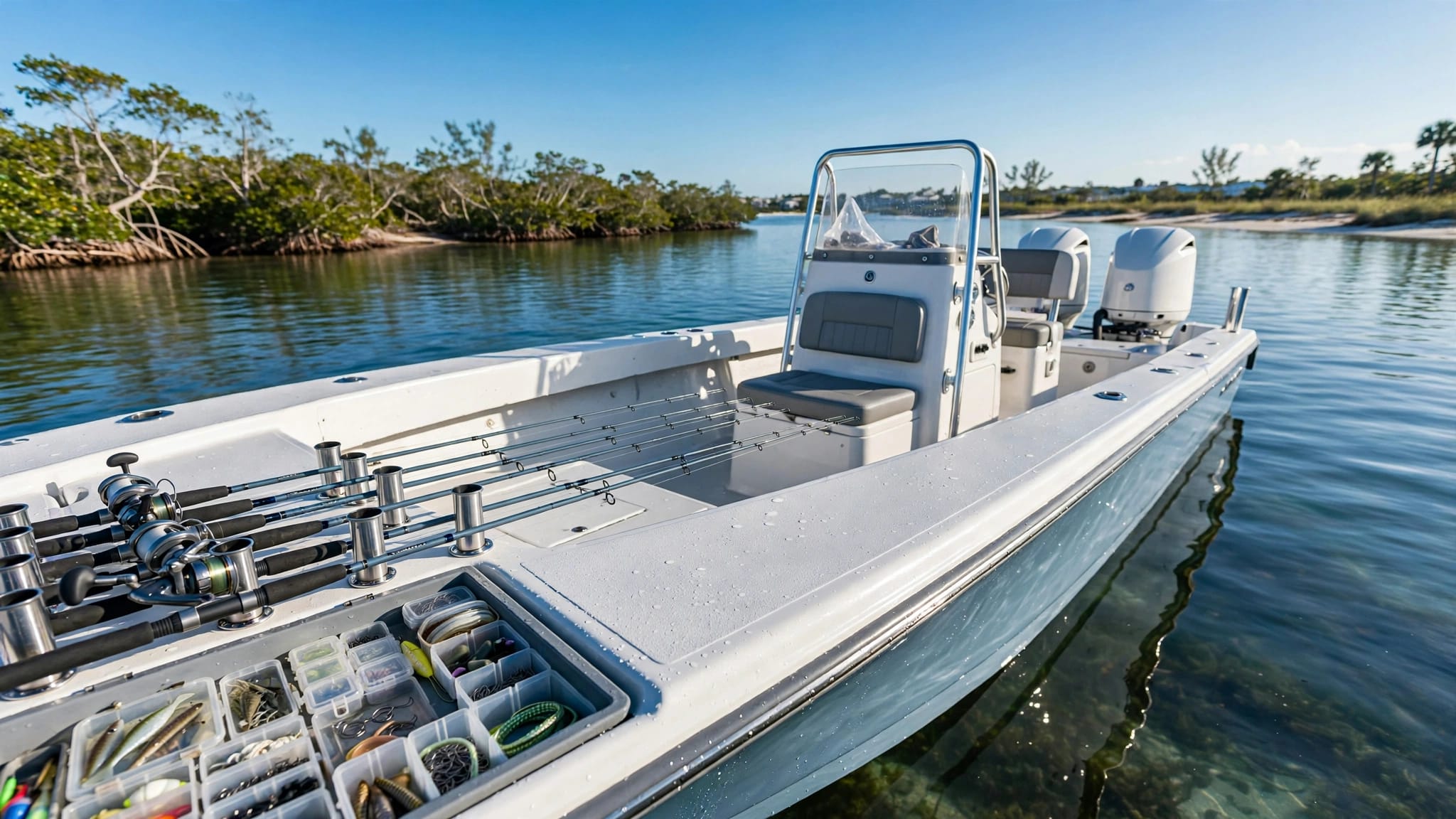
Spanish mackerel feed on small fish and have sharp teeth, so the way you present a bait or lure matters. A simple setup can suit beginners while still giving experienced anglers room to adjust.
Try a Small Artificial Lure
A small, shiny spoon or jig can resemble a baitfish and cover water efficiently. Cast beyond visible activity when possible, then retrieve through the area where you expect fish to be moving.
Start with a steady retrieve and change the speed if you are not getting a response. The goal is to keep the lure moving naturally through the area you want to fish, whether that is near the surface or deeper in the water.
Present Live Bait and Protect Your Line
Live baitfish can also be useful when available and suited to the day's conditions. Around a pass, the current affects how the bait drifts and how much weight may be needed to keep it in the intended area.
A short wire leader can help protect the line from a mackerel's teeth. Some anglers use heavier fluorocarbon instead, accepting that a sharp bite can still cut it. Whichever approach you choose, keep pliers nearby and handle the hook carefully.
A fishing charter gives you the chance to learn these adjustments on the water. Tell us whether you would rather practice casting, fish with bait, or try both.
Handle Your Catch and Know the Florida Rules
Spanish mackerel have sharp teeth even after they come aboard. Keep fingers clear of the mouth, use a tool to remove the hook, and avoid unnecessary handling if you plan to release the fish.
For a fish you intend to keep, measure fork length from the tip of the snout to the center of the fork in the tail. A measuring device makes that decision easier than judging by eye.
As of November 2026, FWC's Spanish mackerel regulations list a 12-inch minimum fork length and a daily bag limit of 15 fish per harvester. The recreational season is open year-round.
An open season is a harvest rule, not a promise that fish will be present. If you are releasing one, support it carefully, keep handling brief, and return it to the water promptly.
Plan a Private Trip Around Your Group
A private outing gives your group time to discuss what you want to experience. If Spanish mackerel are your priority, share that when arranging your trip, along with your dates, fishing experience, and comfort on open water.
We offer nearshore fishing around Sanibel and Captiva, with departures and pickups in Cape Coral, Sanibel, and Captiva. The day's route depends on conditions and the opportunities available.
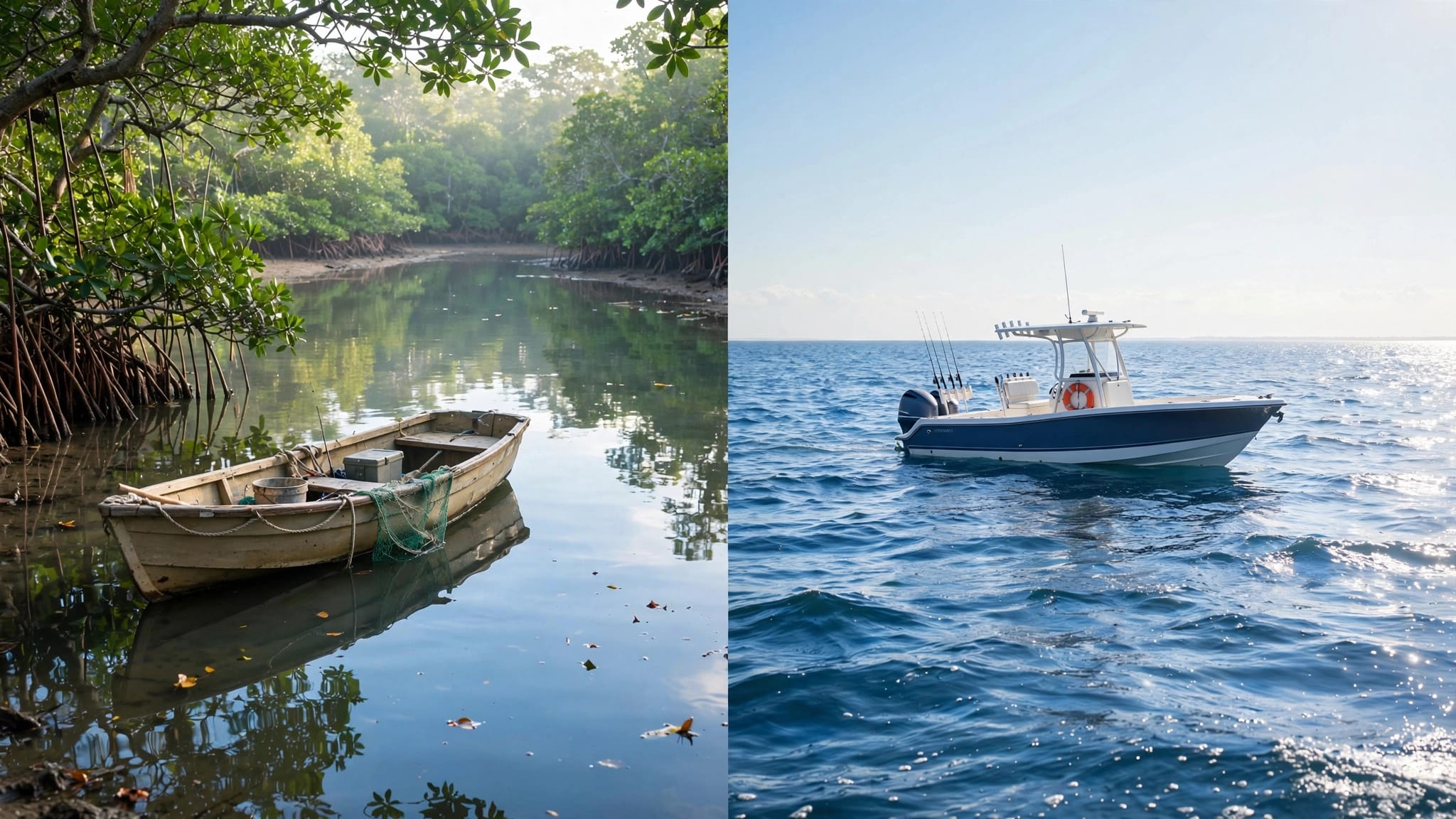
Some groups enjoy watching for fast-moving surface activity. Others prefer a more sheltered ride or a mix of species. Our comparison of inshore and nearshore fishing trips can help you choose the setting that fits.
Key Takeaways
Spanish mackerel may use nearshore Gulf water, passes, and bays around Sanibel, particularly where baitfish are present. Grass beds and reefs offer places to begin the search.
Seasonal movement provides context, while the day's wind, water, and bait activity shape the practical plan. Keep your target in mind, but allow room to adjust.
Frequently Asked Questions
Can beginners fish for Spanish mackerel near Sanibel?
Yes. Beginners can enjoy casting lures or fishing with bait, and a private trip gives your group time to learn at a comfortable pace.
Are Spanish mackerel available near Sanibel all year?
They may be encountered in Southwest Florida coastal waters at different times of year, but their location and availability change. An open harvest season does not guarantee an encounter.
Plan Your Day on the Water
A search for Spanish mackerel can take you along the Gulf side of Sanibel, through connected passes, or into bay water. The best place to begin depends on the conditions and what you see on the water.
If you would like to pursue them on a private trip, tell us about your group's interests and preferred dates.
Recent Posts
We got it.
Thank you for contacting us.
We’ll get back to you as soon as possible.