
Get More From a Private Fishing Charter
A private fishing charter gives experienced anglers time to pursue a favorite species, practice a preferred technique, and learn unfamiliar water with a local captain. The most productive plans begin with clear priorities and leave room for conditions to shape the day.
Around Cape Coral, Sanibel, and Captiva, your experience can help guide the conversation before you step aboard. Share what you enjoy, then give your captain the information needed to plan a day that fits.
Share Your Goals Before the Trip
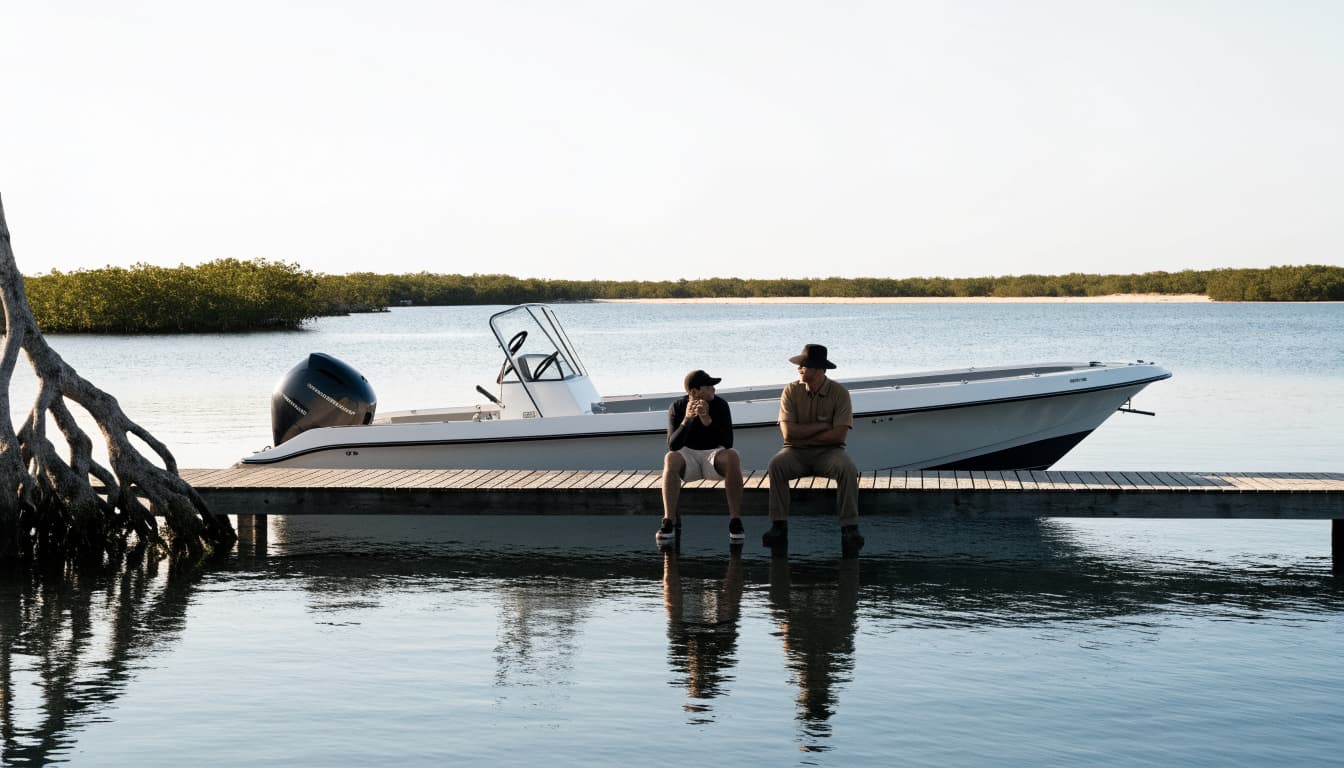
A useful planning conversation starts with what you most want to do on the water. Your answer gives the captain a starting point for choosing a setting, a pace, and an approach.
Name Your Target and a Second Choice
If snook are your priority, say so before the trip. You might also enjoy pursuing redfish along shallow habitat or spending time near the islands, giving your captain another direction if the first plan becomes less practical.
Our Southwest Florida saltwater species guide describes several fish anglers pursue in local waters. Availability changes with the season and conditions, and a target is never a promised catch.
Explain What Makes the Day Rewarding
A species is only one part of the plan. You may prefer a patient day focused on one fish, or you might enjoy covering different habitats and adapting as opportunities appear.
Tell the captain if you would rather make frequent casts, learn a new area, or spend more time on a particular presentation. Those preferences help shape the experience even when the fish do not cooperate.
Talk About Your Fishing Experience
Years on the water provide a useful foundation, but a captain cannot tell what you enjoy or know without a conversation. Describe the fishing you do most often and the parts of the trip where you would welcome local guidance.
Describe Your Usual Approach
If you spend most of your time casting around shoreline cover, mention that. If your experience comes mainly from freshwater or another coast, explain the conditions and techniques you know best.
You can also say how involved you prefer to be with rigging, casting, and working a fish. That gives the captain a clearer picture than an experience label alone, while leaving room for advice suited to local water.
Choose Something You Want to Learn
An experienced angler may want to understand how a captain approaches a mangrove edge, reads a channel, or decides where to position the boat. Choose one or two interests and bring them into the planning conversation.
You do not need to turn the day into a lesson. A few questions at the right moment can add context to the fishing you are already doing and help you understand why the approach changes.
Prepare Useful Gear and Tackle Questions
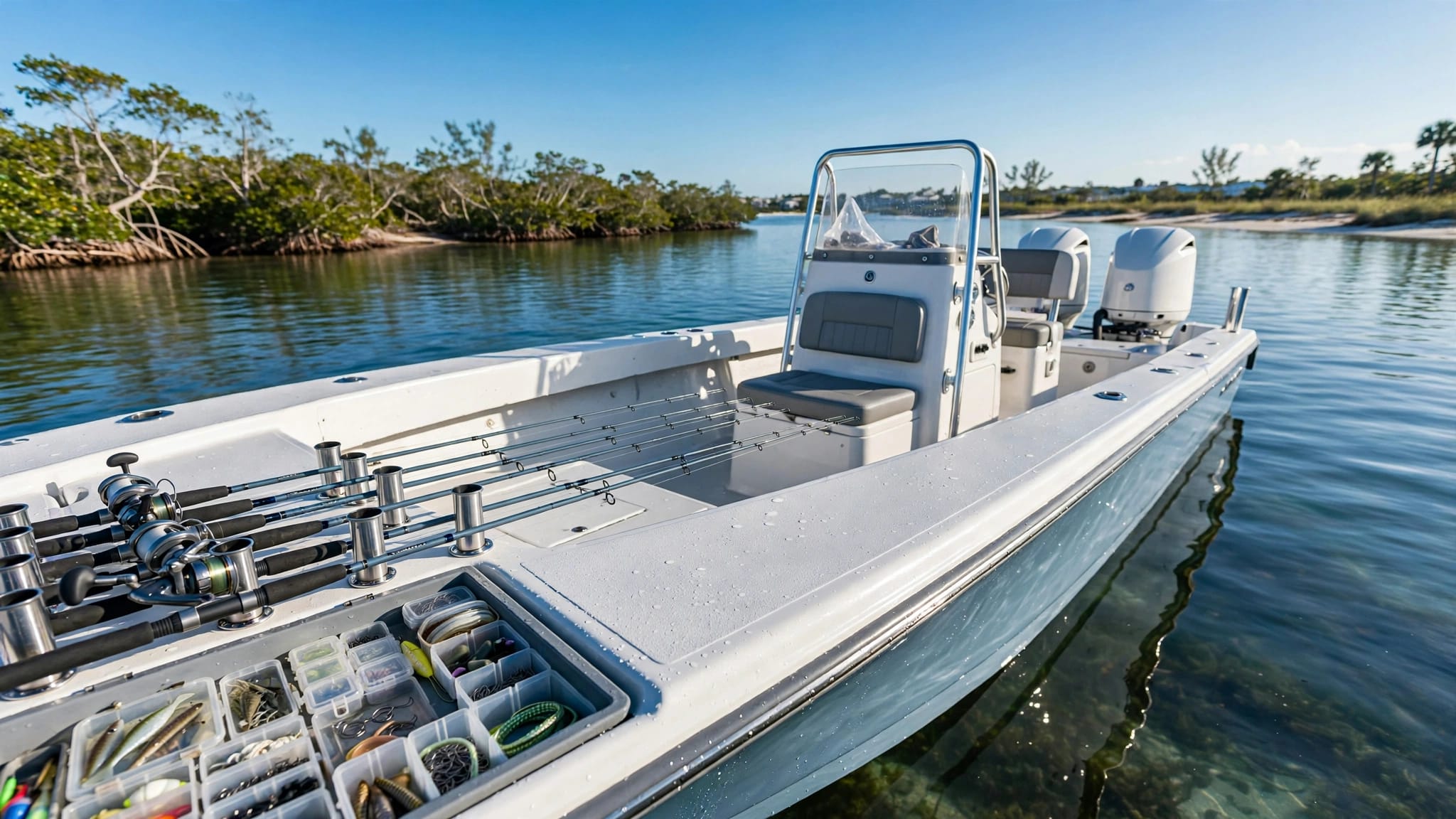
Gear questions are most helpful when they connect to the fishing you hope to do. Rather than arriving with a fixed setup in mind, describe your preferences and invite the captain's perspective on the local conditions.
Discuss Your Preferred Setup
If you have a favorite rod or reel you would like to bring, raise that early. Explain what you normally use it for and ask how it might fit the intended fishing.
You can also discuss line, leaders, and terminal tackle in relation to the habitat and target. A setup suited to open water may call for different considerations near mangroves, where a fish has cover close by.
Keep Your Personal Gear Manageable
Bring personal items that help you stay comfortable and ready to fish. Sun protection, sunglasses, suitable clothing, and non-slip shoes make it easier to concentrate during a full day outdoors.
A compact bag also leaves more room to move around the boat. If you bring fishing equipment, keep it organized and out of casting lanes so everyone can use the available space comfortably.
Choose the Water and Pace You Enjoy
Southwest Florida offers several settings within reach of a charter, each with a different character. The water you prefer and the time you have available can be as important as the species on your list.
Consider Inshore and Nearshore Options
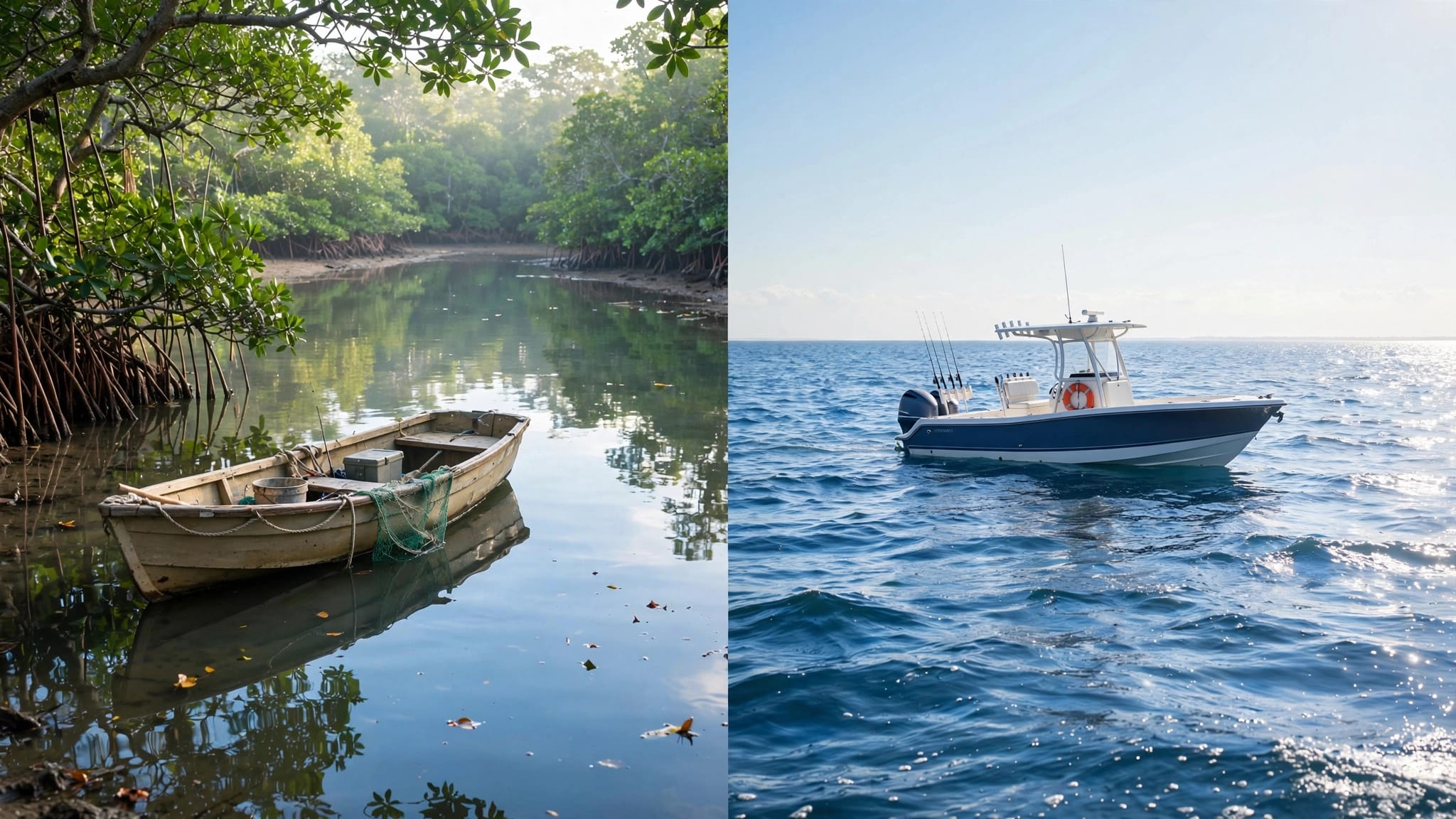
Inshore fishing can take you along mangrove shorelines, across flats, and through bays or tidal waterways. Nearshore fishing takes you into the coastal Gulf, where a more open setting can offer a different experience.
Let the captain know which setting appeals to you and how comfortable your group is with the ride. Bays may offer more shelter, although wind and weather can affect any part of the coast.
Allow Time for Your Preferred Approach
A trip focused on a single species may involve travel, waiting, and adjustments before an opportunity develops. An outing centered on several targets can leave more room to move between habitats as the day progresses.
Think about how much of your available time you want to dedicate to the pursuit. If other guests are aboard, include their interests in the conversation so the pace works for the whole group.
Stay Flexible Once You Are Fishing
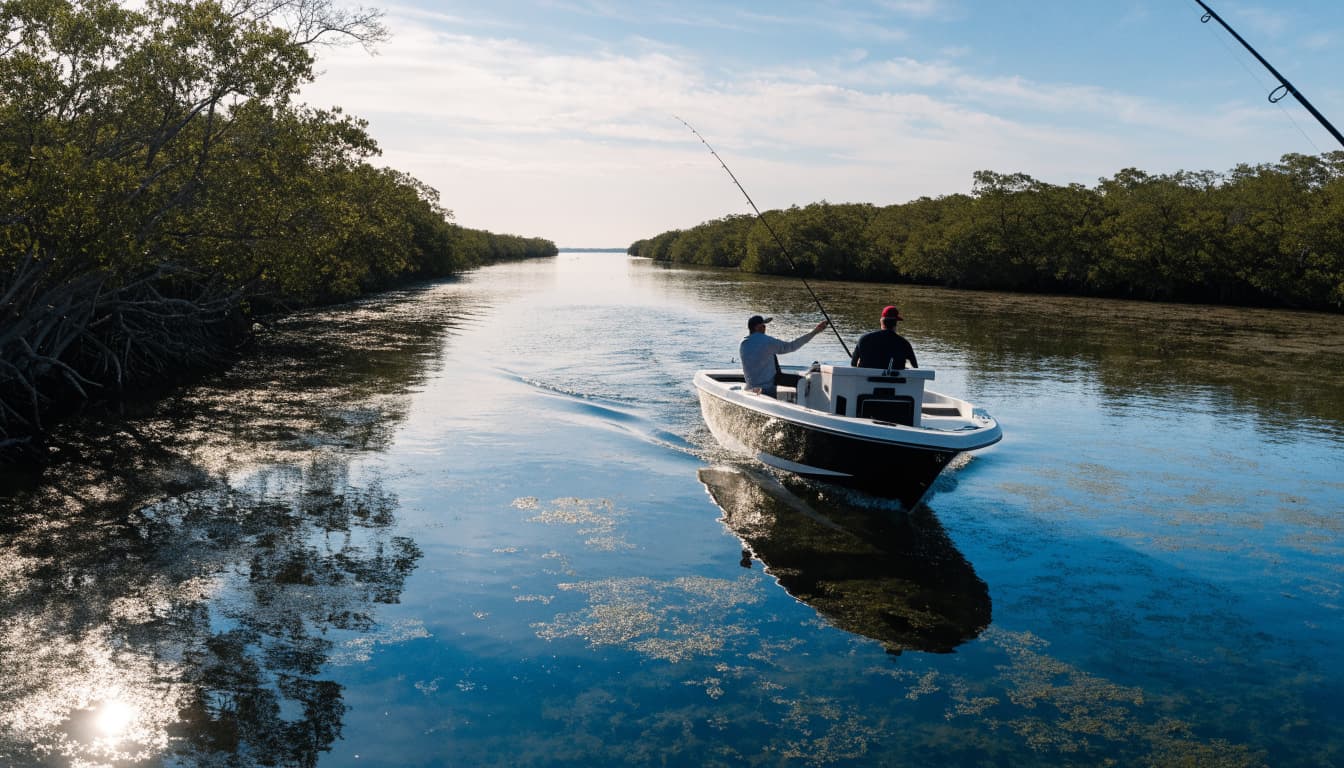
A productive plan can change as the day develops. Water clarity, wind, tide, and visible bait activity all provide information, and the captain may adjust the route or presentation in response.
Let Local Conditions Guide the Plan
A shoreline that looks promising on a map may be difficult to approach in the day's wind. A change in water level can also affect access to a shallow area or how fish use its cover.
NOAA Tide Predictions provides tide information by station, which can help you understand the broader rhythm of the day. On the water, the captain can put the tide alongside wind, habitat, and observed fish activity.
Treat a Change as Part of the Experience
If the captain suggests moving, changing the angle of a cast, or pursuing another species, listen to the reason. The adjustment may put your group in more suitable water or give you a different kind of fishing to enjoy.
Our look at how a local captain plans a charter explains how local knowledge helps connect those decisions to the day's conditions. Your experience and that knowledge work best together.
Make the Most of Communication Aboard
Once the fishing starts, clear communication helps everyone use the time well. Share what you are noticing, listen to the captain's direction, and give other anglers space to fish.
Ask About the Details You Can See
A change in boat position, a seam in the current, or movement near the shoreline can be a useful opening for a question. Ask what the captain noticed and where a cast should land in relation to it.
If you feel a strike or see a fish follow your presentation, mention it. That detail may help the captain decide whether to stay, adjust the approach, or give the area more time.
Work Together at Each Stop
Before casting, understand where the captain wants the boat and where other anglers will be fishing. A short conversation about casting direction can prevent crossed lines and make the most of a brief opportunity.
When someone hooks a fish, clear the area as needed and follow the captain's direction. If you are fishing with less experienced guests, sharing space and giving them time to participate can make the day rewarding for the whole group.
Plan for the Fish After the Bite
Decide early whether your group hopes to keep an eligible fish or prefers to release the catch. The captain can include that preference in the plan, while applicable seasons, size limits, and other rules determine what may be kept.
For released fish, prepare before bringing one alongside. Wet hands, minimal handling, and a quick return to the water can reduce stress; the Florida Fish and Wildlife Conservation Commission offers fish handling guidance for anglers.
Tarpon deserve particular care. Our tarpon trips are catch-and-release, and Florida's tarpon rules require fish over 40 inches to remain in the water, with an exception for anglers pursuing a state or world record.
If a photograph matters to you, mention it before the fish is close to the boat. A short plan with the captain keeps attention on the fish and helps everyone respond without delay.
Questions About Fishing With a Captain
Can experienced anglers focus on one species?
Yes. Share your target before the trip so the captain can plan around it. The season, weather, water conditions, and fish activity still influence what is practical on the day.
Can I suggest a fishing technique?
Yes. Tell the captain what you enjoy and what you would like to practice. An open conversation gives you both room to choose an approach that fits the water and the opportunity.
Plan Your Day on the Water
A clear goal gives your captain a useful starting point, while flexibility leaves room to respond to Southwest Florida's changing conditions. Your own observations and questions can add to the experience throughout the trip.
To discuss your dates, target species, and preferred fishing style, call Go & Get It Charters at (239) 910-4449.
Recent Posts
We got it.
Thank you for contacting us.
We’ll get back to you as soon as possible.